
 Michael Caine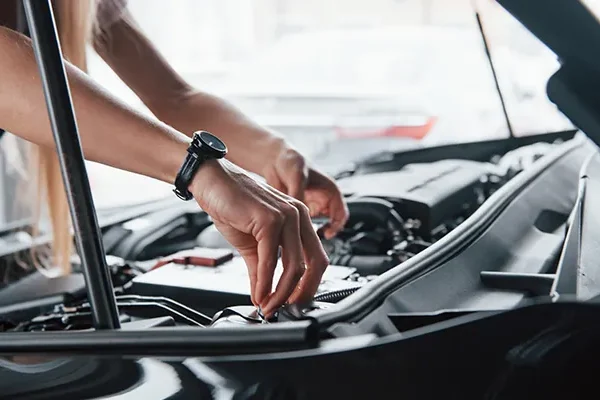
A long drive can turn ugly faster than most drivers expect. One loose belt, one soft tire, one tired battery, and the open road stops feeling free. Regular vehicle checks matter because distance exposes every weakness your car has been quietly carrying around town. Short errands often hide problems, but highway speed, heat, weight, and hours of steady driving pull those problems into the open.
That is why planning a trip should never stop at snacks, playlists, and hotel bookings. Your car needs the same attention your route gets. A few calm minutes in the driveway can prevent the kind of roadside panic that ruins the first day before it has properly started. Drivers who treat preparation as part of the trip usually travel with more confidence, fewer surprises, and better control when conditions shift. For broader travel and road-safety planning ideas, useful travel resources can help you think beyond the map.
The point is not fear. The point is respect. A car may feel familiar, but a long journey asks more from it than a normal week does.
Why Vehicle Checks Expose Problems Before the Road Does
Long-distance driving has a way of turning small neglect into loud consequences. A car that feels fine during school runs or grocery stops may behave differently after three hours at highway speed with luggage, passengers, and changing road surfaces. The gap between “fine yesterday” and “stranded today” is often smaller than people admit.
Tire pressure affects more than comfort
Tire pressure is one of the easiest things to ignore because tires rarely complain politely. They keep rolling until heat, load, and speed make the problem visible. Underinflated tires flex more than they should, and that extra movement builds heat inside the rubber. On a short city drive, you may never feel it. On a highway, it can become a real hazard.
A proper tire pressure check also protects fuel economy and handling. A soft tire can make steering feel dull, while an overinflated tire can reduce grip and make the ride harsher. Neither condition gives you the balanced contact your car needs when you brake suddenly or change lanes around a slow truck.
Drivers often check the four tires and forget the spare. That mistake stings when a puncture happens 80 miles from help. A spare with low air is not a backup; it is dead weight pretending to be useful.
Small leaks become big delays
A few drops under the car may look harmless in the driveway, especially if the car still starts and drives normally. Distance changes the math. Heat expands parts, pressure rises, and fluids move through the system for hours without pause. A minor leak can grow into a warning light, smoke, or engine damage.
Fluid levels deserve attention before any major drive because they support the parts that work hardest on a trip. Engine oil reduces friction. Coolant manages heat. Brake fluid helps transfer pedal force. Washer fluid keeps visibility clear when dust, bugs, or road spray hit the glass. Each one has a job, and none of those jobs becomes less important on a long route.
A driver heading through remote highways should treat a leak as a message, not a mystery. The car is already telling you something. Listening before departure is cheaper than listening from the shoulder.
How the Car’s Safety Systems Change the Trip Experience
A safe trip does not come only from careful driving. It also depends on whether the car can respond when you ask it to. Steering, braking, lights, mirrors, wipers, and suspension shape every decision you make behind the wheel. When those systems feel sharp, you drive with less tension. When they feel tired, you compensate without even noticing.
Brake inspection protects your reaction time
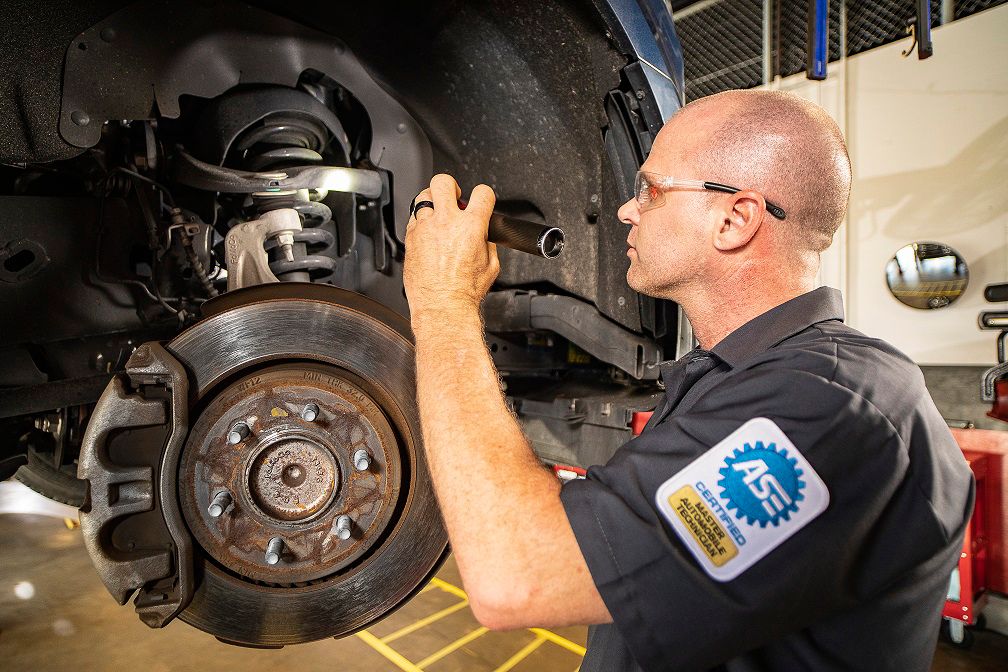
Brake inspection is not only about whether the car stops. It is about how quickly, smoothly, and predictably it stops when the road gives you no warning. Worn pads, warped rotors, or weak brake fluid can stretch stopping distance at the exact moment you need confidence.
A mountain descent offers a clear example. Brakes that feel acceptable in town may fade when they handle repeated downhill braking with a loaded car. That does not mean the driver did anything dramatic. It means the system was asked to manage heat for longer than usual.
Good brake inspection also gives you peace of mind in traffic. Long road trips often involve sudden slowdowns, lane changes, construction zones, and drivers who make poor choices. Your brakes are not a detail in those moments. They are the last line between inconvenience and impact.
Visibility turns fatigue into a smaller problem
Poor visibility drains energy faster than most drivers realize. Streaky wipers, dim headlights, cloudy lenses, and dirty mirrors force your brain to work harder for the same information. That extra strain may not bother you after ten minutes. After six hours, it can make you late to notice a hazard.
Headlights deserve attention even when you plan to drive mostly during the day. Trips run long. Weather shifts. A delay can put you on unfamiliar roads after sunset. Weak lights do not only reduce what you see; they also make your car harder for others to judge.
Wipers and washer fluid carry the same weight. A clean windshield seems ordinary until bugs, dust, mist, or truck spray cover it at speed. Clear glass is not cosmetic. It is part of your reaction time.
What Long Road Trips Demand From the Engine and Battery
A road trip puts the engine, battery, and cooling system into a different rhythm. City driving starts and stops the car often, but highway driving asks for steady performance over a longer stretch. That steady demand can reveal weak parts that were hiding behind short commutes and lucky timing.
Heat management keeps the engine out of trouble
Engine heat does not announce itself like a flat tire. It builds quietly until the temperature gauge climbs or steam appears. By then, the trip has already changed. Coolant level, hose condition, radiator health, and fan operation all matter because heat is one of the main enemies of long-distance reliability.
A car carrying passengers and luggage works harder, especially in hot weather or uphill terrain. The cooling system has to keep temperatures stable while the engine stays under load. If coolant is low or a hose is brittle, the system has less room for error.
Checking fluid levels before departure gives you a cleaner read on the car’s condition. Low coolant may point to a leak. Dirty oil may suggest overdue service. Weak transmission fluid can affect shifting under stress. The goal is not to become a mechanic overnight; it is to notice the warning signs before the trip does it for you.
Battery weakness shows up at the worst time
A weak battery can behave perfectly until it does not. It may start the car at home, then fail after a fuel stop, a lunch break, or a cold morning at a hotel. That kind of failure feels random, but it usually had warning signs: slow cranking, corroded terminals, old age, or dim electrical response.
Road trips make battery health more important because the car becomes your power base. Phones charge from it. Navigation depends on it. Lights, fans, sensors, and entertainment systems all pull from the electrical system. A battery near the end of its life has less patience for that workload.
Clean terminals and a quick battery test can save hours of frustration. The test is simple, but the value is large. Nobody remembers the five minutes spent checking a battery. Everyone remembers waiting for a jump in a parking lot with tired passengers.
Building a Smarter Pre-Trip Routine Without Overthinking It
Preparation should feel practical, not dramatic. The best routine is simple enough that you will follow it every time. You do not need a garage full of tools or a mechanic’s vocabulary. You need a repeatable habit that catches the obvious problems before they become expensive ones.
A driveway check should follow the same order every time
A consistent order keeps you from missing things. Start outside the car, then move under the hood, then sit in the driver’s seat and test the controls. This pattern turns preparation into memory instead of guesswork.
Walk around the car and inspect the tires, lights, mirrors, windshield, and visible leaks. Open the hood and look at belts, hoses, battery terminals, and fluid levels. Sit inside and test the brakes, horn, wipers, air conditioning, dashboard warnings, and charging ports. The process feels small, but it builds a complete picture.
A written checklist helps more than pride does. Drivers forget things when they are packing bags, checking reservations, and trying to leave on time. A checklist does not mean you lack experience. It means you respect how distracted departure day can become.
Professional help makes sense before demanding routes
Some trips deserve a mechanic’s eyes. A cross-country drive, mountain route, extreme heat, remote highway, or trip in an older car calls for more than a casual glance. A professional can spot worn belts, weak brakes, aging hoses, suspension issues, and battery trouble before they corner you later.
This is where Regular Vehicle Checks become less about prevention and more about judgment. A driver who knows the car’s true condition can decide whether to repair now, adjust the route, carry extra supplies, or rent another vehicle. That decision-making power matters.
A pre-trip service also reduces mental noise. You drive differently when you trust the machine beneath you. You hear fewer imaginary sounds, second-guess fewer dashboard flickers, and spend more attention on the road itself. That calm has value.
Conclusion
A good road trip begins before the engine starts. The quiet work you do at home shapes the comfort, safety, and confidence you feel hundreds of miles later. Regular Vehicle Checks are not about obsessing over every bolt or expecting disaster around every bend. They are about refusing to let preventable problems decide the mood, cost, and direction of your journey.
The smartest drivers do not wait for warning lights to teach them discipline. They check tire pressure, confirm fluid levels, inspect brakes, test lights, and deal with doubts while help is still nearby. That habit does more than protect the car. It protects your time, your passengers, and your ability to enjoy the road without carrying a knot in your chest. Before your next long drive, give the car a careful look and fix what needs fixing. The best trip is the one that gets remembered for the destination, not the breakdown.
Frequently Asked Questions
Why are regular car checks important before a long trip?
They help you catch tire, brake, battery, fluid, and visibility problems before distance makes them worse. Long drives put extra pressure on the vehicle, so a quick inspection can prevent delays, breakdowns, unsafe handling, and expensive repairs far from home.
What should I check on my car before a road trip?
Check tire pressure, tread depth, engine oil, coolant, brake fluid, lights, wipers, battery terminals, mirrors, spare tire, and warning lights. Also test the brakes and make sure your phone charger, emergency kit, and basic tools are ready.
How early should I inspect my vehicle before traveling?
Inspect the vehicle at least a few days before departure. That gives you time to repair problems, replace worn parts, or schedule service without rushing. Do a final quick walkaround on the day you leave to catch anything new.
Can low tire pressure affect long-distance driving?
Low tire pressure can increase heat, reduce fuel economy, weaken handling, and raise the risk of tire failure. The risk grows during long highway driving because tires stay under load and speed for longer periods than they do in town.
Is a brake inspection needed before every major road trip?
A brake inspection is smart before any major trip, especially if you will drive through hills, heavy traffic, or remote areas. Brakes that feel acceptable during short drives may respond differently when the car is loaded and moving for hours.
Which fluid levels matter most before highway travel?
Engine oil, coolant, brake fluid, transmission fluid, power steering fluid, and washer fluid all matter. Each supports a different part of safe driving, from engine protection to visibility. Low or dirty fluid can turn a simple trip into a repair stop.
Should older cars get checked by a mechanic before long drives?
Older cars should get a professional check before demanding trips because age can hide weak hoses, belts, batteries, seals, and suspension parts. A mechanic can spot problems that a basic driveway inspection may miss, especially before remote or high-mileage travel.
What emergency items should I keep in the car for road trips?
Carry a spare tire, jack, tire pressure gauge, jumper cables, flashlight, first-aid kit, water, phone charger, basic tools, reflective warning triangle, and roadside assistance details. These items cannot replace preparation, but they can reduce stress when something unexpected happens.