
 Michael Caine
A clear sky can make a careless driver feel smarter than they are. Roads change faster than most people admit, and weather awareness gives you a practical edge before the first turn, the first lane change, or the first delay forces a decision. A strong plan is not built from distance alone; it is built from timing, visibility, surface grip, and the patience to adjust before the road demands it. That is why smart drivers treat forecasts as part of their normal routine, not as background noise. Even broader transport planning resources make more sense when you remember that every route lives inside real conditions, not on a perfect map. A commute during light rain, a school run through fog, or a highway trip under rising wind all ask for different choices. The driver who notices that early has more control, fewer surprises, and a calmer mind behind the wheel.
Forecasts Turn Ordinary Routes Into Informed Decisions
A forecast does not drive the car for you, but it changes the quality of every decision you make before the engine starts. Many drivers treat the weather as something to react to after they are already moving, which is backwards. The better move is to read the road before the road starts answering back.
How Forecast Timing Changes Trip Preparation
Trip preparation often gets reduced to fuel, keys, phone charge, and a quick glance at the destination. That leaves out the one factor that can rewrite the whole ride without asking permission: the weather window. A 30-minute shift in departure time can mean the difference between dry pavement and a sudden downpour.
Morning rain brings a different kind of risk than afternoon heat. Early water sits on oil, dust, and worn lane markings, while heat later in the day can turn small tire issues into loud problems. Good trip preparation looks at those details and decides whether leaving earlier, slowing the schedule, or choosing a cleaner route makes more sense.
The counterintuitive part is that a forecast does not need to be dramatic to matter. A mild shower, a light mist, or a patch of wind can still change braking distance and driver behavior. Small weather changes create big traffic reactions because people rarely adjust at the same speed.
Why Local Conditions Beat General Weather Apps
A citywide forecast can tell you it may rain, but it cannot tell you that the overpass near your office always floods first. That kind of knowledge comes from driving the same roads with your eyes open. The best drivers combine the forecast with local memory.
Driving conditions are never the same across a whole area. One neighborhood can sit under clear air while another deals with fog near low ground. A road beside open fields may catch crosswinds that never show up in the center of town. Treating all roads as equal is how a normal drive turns messy.
You do not need to become a weather expert. You need to know which roads punish mistakes first. The dip that collects water, the bridge that freezes before the street, the shaded curve that stays slick longer than the rest of the lane—those details are worth more than a clean-looking app icon.
Road Safety Starts Before the First Mile
Safe driving begins long before your hands touch the wheel. The strongest choice often happens in the driveway, parking lot, or office lobby, when you decide what kind of route the day deserves. Road safety is not a slogan in bad weather; it is a chain of small choices made early enough to count.
How Wet Roads Change More Than Braking Distance
Rain does not only make the road slippery. It changes how drivers behave around you. Some slow down too much, some keep their dry-road speed, and some make sudden moves because they are guessing their way through spray and glare.
This is why you cannot plan only around your own skill. A careful driver still shares the road with people who waited too long to slow down. You need more space, cleaner lane choices, and a calmer pace because other drivers may not adjust until fear does the adjusting for them.
One overlooked detail is noise. Heavy rain makes cabins louder, tires hiss, wipers slap, and drivers miss small cues they would normally catch. A horn, a motorcycle, or a vehicle in the blind spot can vanish inside that noise. Wet roads steal attention in layers.
Why Visibility Is a Decision, Not a Condition
Low visibility feels like something that happens to you, but your response is a choice. Fog, glare, spray, smoke, and night rain all narrow the field of useful information. The mistake is pretending you can drive at normal speed with half the visual input.
Route planning should change when visibility drops. A road with fewer turns, wider shoulders, better lighting, or fewer pedestrian crossings may take a little longer and still be the smarter choice. Time saved on a risky road is not saved time; it is borrowed luck.
The strange truth is that headlights are often less about seeing and more about being seen. Many drivers wait until conditions look dark to turn them on, but the better rule is simpler: if the road looks muted, gray, wet, or unclear, make your vehicle easier to notice. Visibility is a conversation with everyone around you.
Vehicle Readiness Matters More When Weather Turns
A car that feels fine on a calm day can reveal every weak point when the road turns slick, hot, windy, or cold. Weather does not create every vehicle problem, but it exposes the ones you ignored. That is where ordinary maintenance becomes part of smart planning rather than a separate chore.
Why Tires Carry the Whole Weather Burden
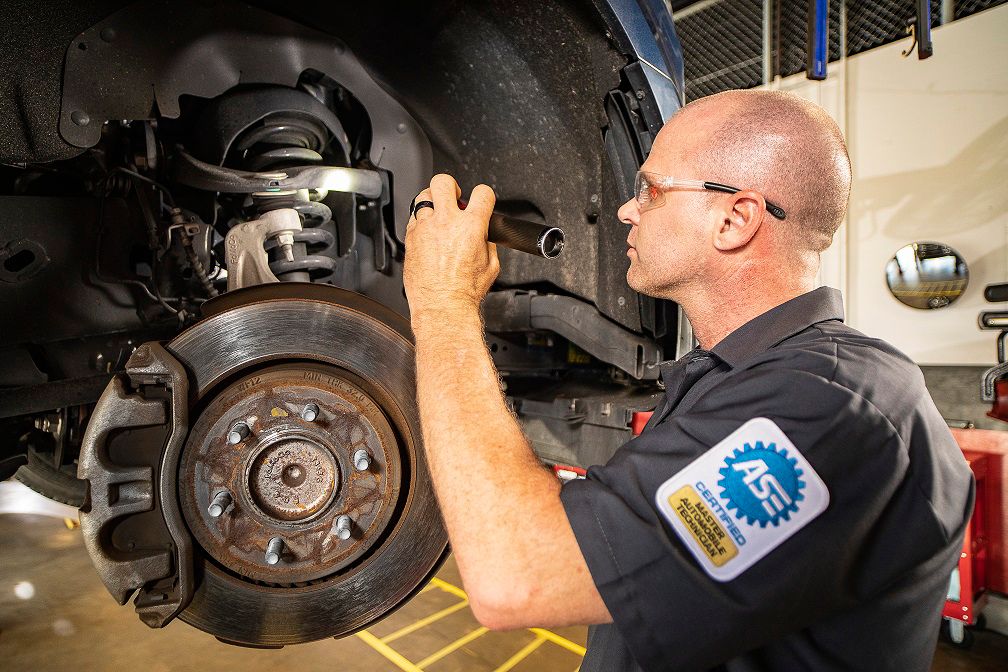
Tires are the only part of your vehicle that actually meets the road, yet many drivers treat them as background equipment. That thinking collapses fast in rain, heat, or loose surface conditions. Tire tread, pressure, and age decide how much grip you can ask for when conditions change.
Driving conditions put different stress on tires depending on the day. Heat can raise pressure and strain weak rubber. Rain can reveal poor tread through sliding, longer stops, or hydroplaning. Cold mornings can lower pressure enough to affect handling before you notice anything from the driver’s seat.
Here is the part people learn late: tire quality is not only about emergencies. It affects everyday steering, braking comfort, fuel use, and how tired you feel after driving in rough weather. A stable car asks less from your nerves.
How Wipers, Lights, and Glass Shape Confidence
Wipers seem boring until they smear dirt across your windshield during the first hard rain. Then they become the difference between a steady drive and a tense one. Cheap neglect has a way of showing up at the worst minute.
Clean glass matters more than many drivers think. Dust inside the windshield can turn sunlight into glare, while oily film outside can scatter oncoming headlights at night. Add rain to that, and your eyes start working harder than they should.
Lights deserve the same attention. A dim brake light, cloudy headlamp, or weak indicator does more than break a rule; it makes your intentions harder to read. Weather already reduces trust between drivers. Your vehicle should not add confusion to the mix.
Flexible Plans Protect Time Better Than Rigid Ones
A rigid schedule looks efficient on paper and fragile on the road. Bad weather punishes plans that depend on perfect timing, perfect traffic, and perfect reactions. A flexible plan protects your time because it admits the truth early: roads do not care about your calendar.
How Route Planning Reduces Stress During Delays
Route planning is not about picking the shortest line on a screen. It is about choosing the route with the fewest weak points for the conditions you expect. A short road with poor drainage, blind curves, and crowded exits may cost more attention than a longer road with cleaner flow.
A good driver thinks in options, not one fixed path. If rain builds near the highway, a surface road with lower speeds may feel slower and still be safer. If fog sits near open land, a route through better-lit streets may be worth the extra minutes.
The hidden win is emotional. When you have already chosen a backup route, a delay feels less personal. You stop fighting the road and start working with what is available. That mindset keeps small problems from becoming rushed decisions.
Why Good Drivers Leave Room for Human Error
Bad weather does not only test machines and maps. It tests patience. Drivers cut gaps too tight, brake late, miss signs, and make awkward lane changes because stress shortens their thinking. Your plan should assume some of that will happen.
Road safety improves when you leave room for other people to be imperfect. That means extra following distance, fewer last-second turns, and no loyalty to a lane that keeps putting you beside nervous drivers. Defensive driving is not fear; it is respect for reality.
The most useful habit is building a weather buffer into your schedule. Ten extra minutes can remove the pressure that causes harsh braking, risky passing, or distracted checking of arrival times. Time pressure turns smart people into poor drivers. Remove the pressure, and the road gets quieter.
Weather Turns Familiar Roads Into New Roads
A road you know well can still surprise you when the weather changes. Familiarity is helpful, but it can also make you lazy. The route you could drive half-asleep in dry daylight deserves fresh attention when rain, wind, glare, or darkness changes the rules.
Why Routine Commutes Create False Confidence
Daily commuters often become skilled at recognizing patterns, but patterns can betray them. The same traffic light, the same merge, and the same left turn do not behave the same way when visibility drops or pavement loses grip. The map stays familiar while the risk changes.
A familiar road can also hide slow changes. A pothole grows after storms. A lane marking fades. A drainage grate clogs near a curb. Drivers who run on memory miss the update, and weather has a talent for exposing every overlooked flaw.
The fix is simple, though not always easy. Treat the first few minutes of every weather-affected drive as a reset. Let the road tell you what kind of day it is before you settle into rhythm.
How Small Adjustments Beat Big Reactions
Strong driving in poor weather rarely looks dramatic. It looks like earlier braking, smoother steering, cleaner lane position, and less speed before the curve. Those small adjustments prevent the kind of big reactions that scare everyone nearby.
A driver who waits until the car slides has already spent the best chance to avoid the problem. The real skill is not correcting a skid; it is never asking the tires for more grip than the road can give. That kind of restraint is quiet, but it is powerful.
Weather-aware driving also changes how you use space. You leave more room at intersections, avoid sitting beside large vehicles in spray, and give pedestrians a wider margin because they may be rushing through rain. A little generosity on the road can prevent a lot of trouble.
Technology Helps, But Judgment Still Leads
Modern driving tools can warn you, reroute you, and show traffic faster than any driver could gather alone. That does not make them wiser than you. Technology gives signals; judgment decides which signals deserve trust.
Why Alerts Should Support, Not Replace, Attention
Weather apps, navigation alerts, and vehicle sensors can help you see trouble earlier. They can also create a false sense that someone else is watching the road for you. That belief is risky because no app can feel your tires, read the driver behind you, or notice the puddle spreading across your lane.
Navigation may send you through a “faster” route without understanding why locals avoid it in rain. A road may look open but still contain poor lighting, steep grades, or tight shoulders. Human judgment fills the gap between digital information and lived road sense.
Use alerts as a second opinion. Check them before leaving, glance at them when stopped, and let them shape your choices without handing them control. The driver remains the final filter.
How Better Habits Build Long-Term Confidence
Good weather habits become stronger with repetition. You start checking forecasts without drama, keeping wipers in better shape, and giving yourself more time on rough days. None of this feels heroic. That is the point.
Trip preparation becomes easier when it is routine instead of a rescue mission. A small checklist before longer drives can cover tire pressure, washer fluid, lights, route options, and expected conditions. The list does not need to be fancy; it needs to be used.
Confidence grows when your plan matches the road in front of you. You stop feeling surprised by normal weather problems because you already made space for them. That is not caution for its own sake. It is skill with a calendar attached.
Conclusion
Weather will always have the power to change a drive, but it should not have the power to catch you completely unprepared. The smartest drivers do not wait for rain, fog, wind, heat, or glare to announce themselves from the windshield. They build the day’s conditions into the plan before the route begins. That single habit changes how you choose roads, how much time you allow, how closely you inspect the vehicle, and how calmly you respond when other drivers make poor choices. Weather awareness belongs in every serious driving plan because it turns uncertainty into decisions you can make early. Before your next commute, school run, delivery route, or weekend trip, check the conditions, choose the road that fits the day, and give yourself enough room to drive like someone who saw the problem before it arrived.
Frequently Asked Questions
How does bad weather affect a daily driving plan?
Bad weather changes stopping distance, visibility, traffic speed, and driver behavior. A strong daily plan accounts for those changes before departure by allowing extra time, choosing safer roads, checking vehicle basics, and avoiding routes that become risky during rain, fog, wind, or heat.
What is the best way to check driving conditions before leaving?
Check a trusted forecast, traffic map, and any local road alerts before you leave. Then compare that information with what you know about the route, such as flood-prone streets, shaded bridges, construction zones, or areas where traffic slows quickly during poor visibility.
Why is trip preparation more important during rainy weather?
Rain affects grip, visibility, lane markings, and how other drivers react. Better preparation gives you time to inspect tires, wipers, lights, and alternate routes before pressure builds. That makes the drive calmer and reduces the chance of rushed choices.
How can route planning improve safety in fog or heavy rain?
Good planning helps you avoid roads with poor lighting, sharp curves, bad drainage, or heavy merging. A slightly longer route with better visibility and lower speeds can be safer than the shortest option when fog or heavy rain limits reaction time.
What vehicle checks matter most before driving in poor weather?
Tires, wipers, lights, brakes, washer fluid, and windshield cleanliness matter most. These parts affect grip, visibility, and communication with other drivers. A small issue that feels harmless in dry weather can become a serious distraction when conditions worsen.
How much extra time should drivers allow during bad weather?
Allow enough time to drive below normal speed without feeling late. For short commutes, even 10 extra minutes can reduce pressure. For longer trips, build in wider buffers for slower traffic, fuel stops, poor visibility, and possible route changes.
Why do familiar roads become risky during changing weather?
Familiar roads encourage routine driving, but weather changes how those roads behave. A known curve may lose grip, a low street may collect water, and a usual merge may become harder to judge. Familiarity helps only when you stay alert to new conditions.
What habits help drivers stay calmer during weather-related delays?
Check conditions early, keep a backup route ready, leave sooner, and accept slower speeds before frustration builds. Calm driving comes from having options. When your plan already includes delay, bad weather feels less like a personal problem and more like part of the road.