
 Michael Caine
A car rarely fails without warning; most problems whisper before they shout. The trouble is that drivers often hear those whispers only after the dashboard lights up, the brake pedal feels odd, or the engine starts making a sound that was not there yesterday. Preventive Car Care turns those small warnings into early action instead of expensive surprises. It is not about treating your vehicle like a museum piece. It is about knowing that your safety, your schedule, and your peace of mind all depend on the condition of the machine carrying you down the road.
Good driving does not begin when you start the engine. It begins when you notice the tire that keeps losing pressure, the wiper blade that smears rain instead of clearing it, or the oil change you keep pushing into next week. Reliable guidance from a trusted resource such as automotive safety awareness can also help drivers think beyond quick fixes and build better habits before problems grow. Safer travel starts long before the first mile.
Why Preventive Attention Changes the Way You Drive
Most drivers think maintenance belongs in the garage, but it affects the road in every mile you drive. A well-kept car responds with less drama, stops with more control, and gives you fewer distractions when traffic gets tense. That changes your behavior behind the wheel because confidence is not the same as luck. Luck hopes nothing breaks. Preparation makes failure less likely.
Vehicle Maintenance Builds Trust Before the Trip
Vehicle maintenance gives you a clearer sense of what your car can handle. When the fluids are checked, the tires are properly inflated, and the brakes feel consistent, you drive with a steadier mind. You are not listening for odd noises at every turn or wondering whether that vibration means trouble. That mental space matters more than many drivers admit.
A family leaving before sunrise for a long weekend trip offers a plain example. The driver who checked tire pressure, coolant level, lights, and washer fluid the night before starts the day with fewer unknowns. The driver who skips those steps may still arrive safely, but every strange smell or rough shift adds stress. The difference is not only mechanical. It is emotional.
Vehicle maintenance also helps you notice patterns. A tire that drops pressure twice in one month is not “one of those things.” It is a clue. A brake pedal that feels softer than last winter is another clue. Cars communicate through small changes, and the driver who pays attention gets time to respond before the problem becomes roadside trouble.
Road Safety Checks Reduce Split-Second Panic
Road safety checks work because they remove avoidable surprises. A burned-out brake light may seem minor until the driver behind you misses your stop in heavy traffic. Worn wipers may seem harmless until rain turns the windshield into moving glass. Small parts become big safety issues when conditions change quickly.
The odd truth is that many drivers prepare less for familiar roads than unfamiliar ones. They check the car before a highway journey but ignore it before the daily commute. Yet routine roads create their own danger because comfort dulls attention. The school run, the grocery trip, and the office drive still demand a car that can stop, steer, signal, and clear visibility without delay.
Road safety checks do not need to feel like a full workshop inspection. A walk around the car can reveal low tires, broken lights, fluid leaks, cracked glass, or loose items near the pedals. Those two quiet minutes can prevent the kind of problem that turns an ordinary errand into a call for help.
The Hidden Safety Value of Small Maintenance Habits
Once you understand that preparation changes how a car behaves, the next step is seeing how small habits stack up. No single check feels heroic. Tightening a loose battery connection or replacing a worn blade will not make a dramatic story at dinner. Still, these quiet acts build the safety margin you need when roads become less forgiving.
Safe Driving Habits Start Before the Engine Runs
Safe driving habits are often described as what you do in motion: keeping distance, checking mirrors, slowing down in rain, and staying calm. Those habits matter, but they sit on top of something more basic. A careful driver starts by making sure the car is ready to obey.
A driver with underinflated tires may leave extra following distance and still struggle during a sudden stop. A driver with dim headlights may watch the road closely and still miss a pedestrian near the edge of a dark street. Skill helps, but it cannot fully cover for neglected equipment. The car has to meet the driver halfway.
Safe driving habits become stronger when they include routine preparation. That means checking lights before night travel, keeping the windshield clean, and treating warning sounds as information rather than annoyance. The best drivers are not the ones who react late with style. They are the ones who prevent the late reaction.
A Car Inspection Checklist Makes Care Harder to Forget
A car inspection checklist sounds dull until you realize how often memory fails under pressure. Drivers remember fuel because the gauge is obvious. They forget tire tread, brake fluid, spare tire condition, and emergency tools because those items stay out of sight. A written routine protects you from your own busy day.
The checklist should fit your actual driving life. Someone who drives mainly in town may focus on lights, brakes, mirrors, tire pressure, and windshield clarity. Someone planning a long road trip should add coolant, oil, belts, battery condition, tire tread, spare tire, jack, and basic emergency supplies. A checklist that matches your habits will beat a perfect one you never use.
A car inspection checklist also creates accountability. When you write down the last oil service, tire rotation, or brake inspection, vague memory turns into a record. That record helps you catch delays before they become damage. The car stops being a mystery and starts becoming a system you understand.
How Neglect Turns Minor Issues Into Real Risk
Good habits build safety quietly, but neglect works the same way in reverse. One skipped check rarely causes disaster by itself. The danger grows when small faults overlap: weak tires meet wet roads, dim lights meet a dark corner, old brake pads meet sudden traffic. Risk compounds when attention disappears.
Tires Decide More Than Most Drivers Think
Tires are the only part of the car that touch the road, which should make them impossible to ignore. Somehow, they still get treated like background equipment. That is a mistake. Tire pressure, tread depth, alignment, and wear patterns shape braking, cornering, fuel use, and ride control.
A tire can look acceptable from a distance and still be unsafe. Uneven wear along one edge can point to alignment trouble. Cracking in the sidewall can signal aging rubber. A slow leak can turn into a blowout when heat, speed, and load increase. None of these problems needs drama to be serious.
The counterintuitive part is that the best-looking tire may not be the safest one if nobody checks it closely. Shine does not equal grip. A clean sidewall means little if the tread cannot move water away from the contact patch. Your eyes need to look for function, not appearance.
Brakes Need Attention Before They Complain
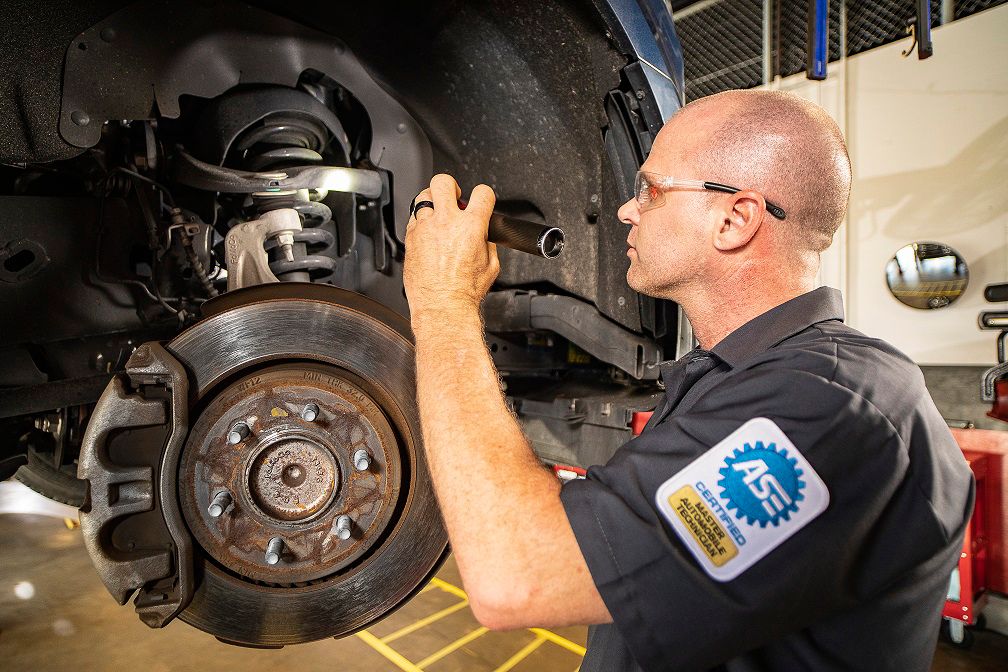
Brakes rarely fail all at once without earlier signs. Squealing, grinding, vibration, pulling, burning smells, or a pedal that feels different all deserve attention. Waiting for brakes to “get worse” is a strange gamble because worse usually appears when you need stopping power most.
City driving can wear brakes faster than many drivers expect. Short trips, stop-and-go traffic, steep roads, and heavy loads all add strain. A driver who treats brake service as mileage-only may miss the way real conditions affect wear. The odometer tells part of the story, not the whole thing.
A good brake inspection gives you more than parts replacement. It gives you confidence in distance. When the car ahead stops hard, you need the pedal to feel familiar and firm. You do not want to learn about worn pads, low fluid, or warped rotors in the middle of a close call.
Making Safer Journeys a Repeatable Routine
By the time a driver sees how neglect grows, the solution becomes less about fear and more about rhythm. Safer travel does not require constant worry. It requires repeatable care that fits into normal life. The goal is to make preparation boring enough that you actually do it.
Seasonal Changes Demand Fresh Road Safety Checks
Weather changes expose weak spots quickly. Heat can strain cooling systems and tire pressure. Cold can weaken batteries, thicken fluids, and reduce tire performance. Rain tests wipers, tread, lights, and driver patience all at once. Each season asks a different question of your vehicle.
A driver heading into summer should pay close attention to coolant, air conditioning performance, tire condition, belts, and battery health. A driver approaching winter should check tires, wipers, defrosters, lights, washer fluid, and emergency gear. These are not fancy tasks. They are practical defenses against predictable stress.
Road safety checks work best when tied to calendar habits. Check the car at the start of each month, before long trips, and after harsh weather. That rhythm prevents maintenance from becoming a last-minute panic. The car gets attention while problems are still small.
Vehicle Maintenance Pays Back in Calm Decisions
Vehicle maintenance gives its biggest reward in moments that never become stories. The battery starts on a cold morning. The brakes stop cleanly near a crosswalk. The tires hold through a sudden downpour. The headlights reveal a cyclist early enough for a smooth lane change. Nothing dramatic happens, and that is the point.
Money also plays a role, though safety should come first. Small repairs often cost less than damage caused by delay. Replacing worn belts, topping fluids, fixing leaks, and rotating tires can prevent larger bills later. A driver who waits for breakdowns usually pays in money, time, and stress.
The deeper benefit is control. You cannot control every careless driver, pothole, storm, or traffic jam. You can control whether your own vehicle is prepared to meet those moments. That makes maintenance less like a chore and more like a quiet form of self-respect.
Conclusion
Safer driving begins with a simple decision: stop treating maintenance as something separate from the journey. The condition of your car shapes how well you see, stop, turn, signal, and respond when the road changes without warning. That is why Preventive Car Care belongs in the same conversation as seat belts, speed limits, and attention behind the wheel. It protects the driver before skill is tested.
The smartest drivers do not wait for a breakdown to prove that something matters. They build a small routine, follow it without drama, and let the results show up in quieter trips. Start with one practical step today: check your tires, lights, fluids, and wipers before your next drive. A safer journey is not built at the roadside; it is built before the key turns.
Frequently Asked Questions
What is the best way to start preventive maintenance for safer driving?
Begin with the parts that affect control and visibility: tires, brakes, lights, wipers, mirrors, and fluid levels. Build a simple monthly routine around those checks. Once that habit feels natural, add service records, seasonal inspections, and pre-trip reviews.
How often should drivers do road safety checks?
A basic check once a month works well for most drivers. You should also inspect the car before long trips, after harsh weather, or anytime the vehicle feels different. Strange noises, warning lights, vibration, or pulling should never wait for the next planned check.
Why does vehicle maintenance matter for daily commutes?
Daily commutes create repeated wear through braking, turning, idling, short trips, and traffic delays. Because the route feels familiar, drivers often overlook risk. Maintenance keeps the car predictable during ordinary drives, where most people spend the largest share of their time on the road.
What should a car inspection checklist include before a long trip?
A good pre-trip list includes tires, brakes, oil, coolant, battery, lights, wipers, washer fluid, mirrors, belts, spare tire, jack, and emergency supplies. Long drives place steady pressure on the vehicle, so small problems deserve attention before departure.
Can safe driving habits make up for poor car maintenance?
Good habits help, but they cannot replace a road-ready vehicle. A skilled driver still needs working brakes, clear lights, sound tires, and clean visibility. Safe behavior and good maintenance work together; either one becomes weaker without the other.
What warning signs should drivers never ignore?
Brake grinding, fluid leaks, overheating, burning smells, steering vibration, tire pressure loss, dim lights, and dashboard warning lights all deserve quick attention. These signs often point to problems that can grow fast under speed, heat, or heavy traffic.
How does tire care improve safer journeys?
Proper tire pressure and healthy tread improve braking, steering, grip, and stability. Tires also affect how the car handles rain, heat, and sudden maneuvers. Checking them often helps prevent blowouts, poor traction, and uneven wear that can reduce control.
Is preventive maintenance expensive compared with repairs?
Preventive work often costs less than emergency repairs because it catches problems early. Replacing worn parts on schedule can prevent damage to connected systems. More than that, it saves time, reduces stress, and lowers the chance of being stranded unexpectedly.