

 Michael Caine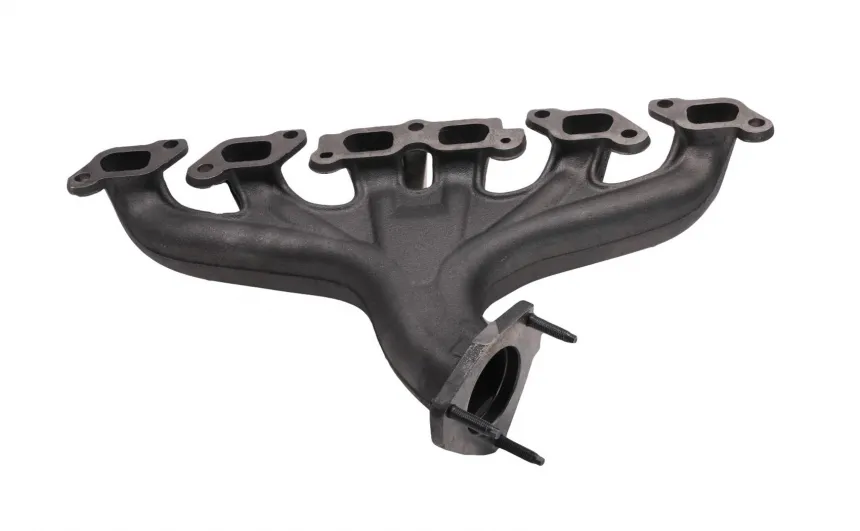
A ticking sound near the engine bay can feel small at first, almost like a loose trim clip or a noisy lifter warming up. Cracked Exhaust Manifold Symptoms often show up through that sharp tick, a hot-metal smell, weak acceleration, and exhaust fumes in cabin areas when the leak sits close to the firewall or fresh-air intake. That matters because the exhaust manifold is not a cosmetic part. It carries hot gases away from the cylinder head before they reach the rest of the exhaust system. When it cracks, pressure escapes early, oxygen readings can go sideways, and the cabin can become unsafe. For drivers comparing repair guidance through trusted automotive publishing resources, the key is not panic. It is pattern reading. A cold-start tick that fades, soot near the manifold, a check engine light after rough running, or fumes at idle all point toward one place. Catch it early and you may avoid broken studs, damaged sensors, cooked wiring, and a larger repair bill.
Cracked Exhaust Manifold Symptoms Drivers Notice First
The first signs usually arrive through sound, smell, and timing. A bad wheel bearing changes with road speed. A belt squeal changes with accessory load. A manifold leak has its own habit: it often talks loudest when the engine is cold, then quiets as metal expands. That timing clue is easy to miss because the vehicle may still drive well enough around town. The best first move is to compare what you hear with when you hear it, because a manifold problem has a rhythm that many other engine noises do not share.
Why a cold-start tick matters more than a random engine noise
A cold engine leaves small gaps at their widest. Cast iron, steel, gaskets, studs, and the cylinder head all expand as heat builds. If the manifold has a hairline crack or a failed gasket, exhaust pressure can shoot through that opening in quick pulses. That pulse is the tick you hear, and it can sound like a sewing machine under the hood.
Many drivers in colder U.S. states notice it most on winter mornings. The truck starts in a driveway in Ohio or Minnesota, the tick snaps for thirty seconds, then it fades before the driver gets to the first stop sign. That fade can trick you. Silence after warmup does not prove the leak healed. It may mean the crack closed enough to hide until the next cold start.
The non-obvious part is that a louder tick is not always the worst leak. A small opening near the cylinder head can sound sharp because pressure is high there. A larger leak farther downstream may sound duller. This is why exhaust leak repair guide style checks should focus on location, soot, smell, and heat marks, not sound alone. If the same engine ticking noise shows up after a long highway drive, the leak may be widening or a gasket edge may be burning away.
When exhaust smell inside the car turns from annoyance into danger
Exhaust odor near the hood is a warning. Exhaust fumes in cabin areas are a stronger one. The cabin can pull air from the cowl area near the base of the windshield, and a leak high in the engine bay may sit close enough for fumes to move toward that intake when the vehicle idles or crawls in traffic. The smell may seem random because air pressure around a car changes with speed, wind, and fan setting.
You may notice it while sitting at a school pickup line, a drive-through, or a long red light with the heater on. The smell may fade once the vehicle moves because airflow changes. That does not make it safe. It means the leak depends on conditions. A family minivan that smells fine on the freeway can still push fumes toward the vents while parked outside a grocery store with the blower set to fresh air.
Carbon monoxide is the part you cannot smell. The EPA explains that carbon monoxide can reduce how much oxygen reaches the heart and brain, and high indoor or enclosed levels can cause dizziness, confusion, loss of consciousness, or death through carbon monoxide safety guidance. If you smell exhaust inside, open windows, avoid idling, and schedule inspection. If anyone feels dizzy, nauseated, weak, or foggy while driving, stop in fresh air and treat it as a safety issue.
The Mechanical Clues Behind Ticking, Soot, and Heat Damage
Once sound and smell point toward the manifold area, the next step is reading physical evidence. This is where many DIY checks go wrong. People look for a giant split. Often, the crack is thin, hidden underneath, or masked by heat shields. Broken bolts can create the same leak pattern without a dramatic break in the manifold body. The right inspection looks for the trail the gases leave, not only the hole they came through.
What black soot around the manifold is trying to tell you
A healthy exhaust path keeps gases moving inside the pipe. A leak lets gas escape and leaves dark carbon tracks near the opening. Those tracks may appear around the manifold flange, where the manifold meets the head, or near the collector where separate runners merge. The mark can look like a soft black stain, not a wet leak or a heavy deposit.
You may need a flashlight and patience. On some V6 and V8 engines, the leak sits on the rear bank against the firewall. On many pickup trucks, heat shields hide the real clue. A small black fan-shaped mark near a stud can mean hot gases have been cutting through the same path again and again. If the engine cover must come off to see it, take that extra step before guessing at sensors.
Here is the catch: no soot does not mean no leak. A new crack may leak only during cold start and seal after heat builds. A leak facing downward may stain a hidden surface. A shop may use smoke testing or listen with a mechanic’s stethoscope because eyes alone miss too much. This is where the first inspection can look clean while the engine ticking noise remains plain to anyone standing near the fender.
Why nearby plastic, wiring, and sensors can suffer first
Hot gas leaving the manifold is not gentle. It can cook spark plug wires, oxygen sensor wiring, plastic clips, vacuum lines, or nearby insulation. The engine bay was designed around contained heat. A cracked manifold changes the heat map. Instead of heat leaving through the pipe, it sprays at one small target over and over.
A common example is a truck with a faint tick that later develops a misfire under load. The owner blames coils, plugs, or fuel. Those may be affected, but the root can be heat from an exhaust manifold leak damaging nearby parts. Replace the damaged wire and the misfire may return because the heat source remains. The same idea applies to a brittle oxygen sensor connector that breaks during service after months of heat exposure.
The counterintuitive lesson is that the first failed part may be innocent. An oxygen sensor code, a melted connector, or a rough idle can be a messenger. The manifold leak sits upstream, changing the air-fuel reading or burning parts around it. That is why check engine light diagnosis should include a visual exhaust check when ticking and fumes join the story. If the repair only replaces the messenger, the message comes back.
How a Manifold Leak Triggers Codes, Poor Mileage, and Weak Pull
A cracked manifold is not only a noise problem. Modern engines use oxygen sensors to measure exhaust content and fine-tune fuel delivery. When outside air enters near the sensor, or exhaust escapes before readings stabilize, the computer can make poor choices based on bad information. The vehicle may still run, but it stops running cleanly. That is why a driver can hear one small tick and later find a fuel trim code that seems unrelated.
Why oxygen sensor readings can point in the wrong direction
When a leak sits before an upstream oxygen sensor, fresh air can get pulled into the exhaust stream between pulses. The sensor may read extra oxygen and report a lean condition. The computer may add fuel to correct that reading. The driver sees poor mileage, fuel smell, or a check engine light. On some vehicles, the long-term fuel trim numbers climb before the driver feels any roughness.
This is where parts swapping gets expensive. A code for a lean bank does not always mean the oxygen sensor is bad. It may mean the sensor is telling the truth about what it sees, while the leak creates the false condition. Replacing the sensor without fixing the leak can leave the same code waiting for the next drive cycle. The sensor becomes a witness, not the suspect.
On a used SUV in Texas, for example, a driver may notice lower fuel economy after towing, then a tick at startup, then a lean code. The towing did not create a mystery. Extra heat and load may have exposed a weak manifold, broken stud, or tired gasket. The smart repair path starts with the leak path before it spends money on electronic parts.
When power loss feels minor but still signals a leak
A manifold crack can reduce low-end response because exhaust pulses are no longer moving as designed. Some engines rely on pulse timing to help clear cylinders. When pressure escapes at the wrong point, the engine may feel lazy from a stop or rough during mild acceleration. It may not feel broken. It may feel older than it should.
The loss may be subtle. You press the pedal a little deeper, the transmission downshifts sooner, and you blame age. That is why many owners drive for months with a small leak. The vehicle adapts enough to hide the issue until the crack grows, the gasket burns, or hardware breaks. A slight drop in mileage may be the first money clue.
The non-obvious detail is that quiet highway driving can mask the problem better than city driving. At speed, road noise covers the tick and airflow pushes fumes away. In a parking lot, the same vehicle may smell hot, sound sharp, and idle rough. Diagnosis should match the conditions where the problem appears. Ask the shop to check it cold if the noise only happens cold, because a warm bay test can miss the main event.
Repair Decisions, Costs, and What Not to Ignore
Once the signs line up, the question becomes repair timing. Some cracks are small. Some broken studs can be removed without drama. Some manifolds need replacement, and on tight engine bays the labor can sting. Waiting too long can turn a focused repair into a fight with rust, brittle bolts, and damaged nearby parts. In salt-heavy places like New York, Pennsylvania, Michigan, and Illinois, manifold hardware can age faster than the part around it, so a small leak may become a bolt extraction job. The goal is not to replace the most expensive part first. The goal is to seal the leak correctly and protect the parts around it.
When a gasket, stud, or full manifold replacement makes sense
A leak at the flange may come from a failed gasket or a broken stud instead of a cracked casting. That distinction matters. A gasket repair may cost less than a full manifold replacement, but only if the sealing surfaces are still flat and the hardware can be removed without breaking deeper into the head. A shop should confirm the source before pricing the whole job.
A full manifold replacement makes more sense when the casting is cracked, warped, or thin from heat cycles. Some aftermarket manifolds are cheaper, but fit and metal quality matter. On engines known for broken manifold bolts, fresh hardware and careful torque matter as much as the part. Skipping hardware can leave an old weak point under a new part. A flat sealing surface also matters. If the old manifold has warped, a fresh gasket alone may seal for a week and fail again once heat cycles return.
There is a tempting cheap path: smear sealer over the crack and hope. That may buy time on a low-value vehicle, but it rarely solves a hot, pressurized leak near the cylinder head for long. A patch also makes later diagnosis messier. If fumes enter the cabin, skip the patch mindset. That is no longer a noise repair; it is a safety repair.
How to talk to a shop without paying for guesses
Bring the pattern, not a theory carved in stone. Tell the shop when the tick happens, whether it fades warm, when fumes appear, which vents were on, and whether the check engine light came before or after the noise. That timeline can save diagnostic time. A good technician can work faster with a clear story than with a bag of parts already installed.
Ask for proof before approving work. Good proof may include soot marks, a smoke test result, a visible crack, broken studs, or a cold-start sound check with the vehicle lifted. If the shop recommends sensors first but has not checked the manifold area, ask them to rule out a leak upstream. That question is fair, not rude. You are asking the shop to confirm the cause before chasing the symptom, which is how good diagnosis should work.
A fair repair conversation should include the manifold, gasket, hardware, oxygen sensor wiring condition, and nearby heat damage. On older Rust Belt vehicles, also ask what happens if bolts break during removal. That is not a scare tactic. It is honest planning, and it keeps the estimate from turning into a surprise phone call at noon. A clear estimate should name the risk before the wrench turns. It should also explain whether the vehicle can be driven home safely or whether fumes, broken hardware, or heat damage make delay a poor bet.
Conclusion
A cracked manifold does not always announce itself with drama. It often begins as a small cold-start tick, a faint hot smell, or a fuel trim code that seems unrelated. That is why the smartest move is to read the pattern early and treat fumes with more respect than noise. Cracked Exhaust Manifold Symptoms are worth acting on because the problem sits at the first and hottest stage of the exhaust path, where small leaks can affect safety, drivability, and repair cost. You do not need to diagnose the whole engine in your driveway. You need to know when the signs belong together. If the cabin smells like exhaust, if the tick is strongest cold, or if soot appears near the manifold, get the vehicle inspected before the leak cooks parts around it. A quick check now can protect your family, your engine, and your wallet, while the fix is still focused and easier to confirm. Small exhaust leaks reward calm attention. Ignore them, and the car often turns a cheap clue into an expensive lesson.
Frequently Asked Questions
How do I know if the ticking noise is from the exhaust manifold?
A manifold tick is usually sharp, fast, and loudest near the engine during cold start or acceleration. It may fade as the engine warms. Lifter noise often stays more consistent from the top of the engine, while belt noise changes near the front accessories.
Is it safe to drive with exhaust fumes in the cabin?
No. Open the windows, avoid idling, and get the vehicle inspected. Exhaust odor means gases are entering the breathing space, and carbon monoxide can be present without a smell. Any dizziness, nausea, headache, or foggy feeling while driving calls for fresh air and medical caution.
Can a cracked manifold cause a check engine light?
Yes. A leak near the cylinder head can affect oxygen sensor readings and trigger lean codes, fuel trim codes, or catalyst-related warnings. The sensor may not be the root problem. The computer may be reacting to false air or escaping exhaust before the sensor.
Why does the ticking go away after the engine warms up?
Metal expands with heat. A small crack, gasket gap, or flange leak can narrow as the manifold warms, which softens the sound. The leak can still return on the next cold start. A fading tick is a clue, not a clean bill of health.
What does an exhaust manifold leak smell like?
It often smells like raw exhaust, hot metal, or a harsh burned odor near the front of the vehicle. Inside the cabin, it may show up more at idle, in traffic, or with the heater on. The smell can change with wind direction and fan settings.
Can I fix a cracked exhaust manifold myself?
Some skilled DIY owners can replace an accessible manifold, gasket, or broken stud. The hard part is rusted hardware, tight space, and the risk of snapping bolts in the cylinder head. Welding or drilling near the head is better left to a trained repair shop.
How much does exhaust manifold repair cost in the United States?
Cost depends on vehicle design, labor access, parts quality, and broken hardware. A simple gasket may be modest, while full manifold replacement can climb higher on cramped V6, V8, turbocharged, or rusted vehicles. Always ask whether the quote includes gaskets, studs, and related damage checks.
What happens if I ignore a small exhaust manifold leak?
The leak can grow, burn the gasket, break more hardware, damage nearby wiring, affect oxygen sensor readings, and send fumes toward the cabin. The repair can also get harder after repeated heat cycles. Small leaks are easier to verify and fix before parts around them suffer.