
 Michael Caine
A bad drive rarely starts with a dramatic mistake. It starts with a rushed morning, a half-checked mirror, a phone buzzing in the cup holder, and a driver who thinks the road will forgive one more shortcut. A safer travel routine gives everyday drivers something better than luck: a repeatable way to move through traffic with fewer surprises and less stress.
Most drivers do not need advanced training to become safer. They need better rhythm. The kind of rhythm that turns small choices into habits before the engine starts, while the car is moving, and after the trip ends. That is why public conversations around mobility, transport behavior, and safer travel decisions matter more than they first appear. Safe driving is not built from one heroic moment. It grows from ordinary discipline repeated on ordinary roads.
The road does not care how skilled you feel. It responds to what you do next.
Start Before the Drive, Not After Trouble Appears
Good driving begins while the car is still parked. That sounds simple, but plenty of drivers treat preparation as something optional, almost like a nice extra for long trips only. Daily driving habits matter most on familiar roads because comfort lowers attention. The school run, the commute, the grocery trip, and the quick errand all carry risk when your mind has already decided nothing unusual will happen.
Build road safety checks into the first minute
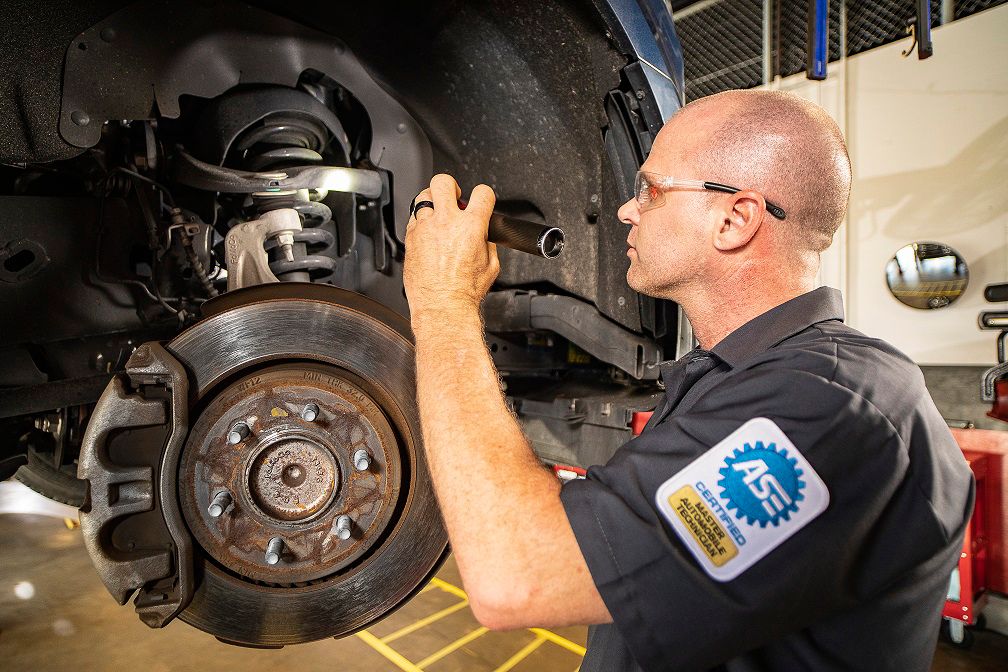
Road safety checks work best when they feel automatic instead of dramatic. You do not need to walk around the car like a race mechanic every morning, but you do need a small pattern that catches obvious problems before they follow you into traffic. Tires, lights, mirrors, windshield, and warning indicators deserve a glance before the trip owns your attention.
A flat tire noticed in the driveway is an inconvenience. A weak tire noticed on a wet bend is a problem with teeth. The difference is not mechanical knowledge; it is timing. Everyday drivers often overestimate their ability to react and underestimate the power of noticing early.
This first minute also settles your mind. When you check the car, adjust the seat, clear the windshield, and place loose items where they cannot roll under the pedals, you send yourself a signal: the drive has started before the wheels move. That signal changes the way you behave once traffic gets messy.
Treat familiar routes as changing environments
Familiar roads are sneaky because they make you feel informed. You know where the traffic light sits, where the buses stop, and where the road narrows. Then one morning there is a delivery van blocking your view, a cyclist taking the lane, or a child stepping out from between parked cars. The route did not become dangerous. Your expectation became stale.
Daily driving habits should include one quiet question before you pull away: what could be different today? Weather, roadworks, school hours, glare, parked vehicles, and tired pedestrians can change a route without changing its name. That question keeps your brain awake without making you anxious.
Counterintuitive as it sounds, experienced drivers may need this more than new drivers. New drivers know they are learning, so they watch. Experienced drivers often drive from memory, and memory is a poor substitute for attention. The road in front of you is the only one that matters.
Keep Your Attention Where the Risk Actually Lives
Once the car is moving, safety becomes a fight for attention. Not a loud fight. A quiet one. The phone, the dashboard, the conversation, the coffee, the argument still playing in your head, and the pressure to arrive on time all compete with the road. Driver safety tips often focus on rules, but the deeper issue is attention ownership. Either you own it, or the drive takes it from you piece by piece.
Use safe driving routine cues instead of willpower
A safe driving routine becomes stronger when it uses cues you already repeat. Seatbelt on, phone away, mirrors checked, route set before moving, both hands ready, eyes scanning ahead. These actions sound basic because they are basic. Basic is not weak. Basic saves people when the unexpected happens.
Willpower fails under pressure because pressure wants speed. A cue does not ask how you feel. It gives you the next move. When your phone goes into the glove box or driving mode before the car moves, you remove a decision that you would otherwise have to remake at every red light.
Drivers often say they only look at their phone for a second. The road can change a lot inside that second. A brake light appears, a motorbike slips into a blind spot, or the car ahead swerves around debris. The danger is not the glance itself; it is the gap in awareness that follows it.
Scan for patterns, not surprises
Strong drivers do not stare harder. They scan better. They look far enough ahead to catch brake waves, side-street movement, lane drift, sudden gaps, and pedestrians who look ready to cross before they step off the curb. This kind of seeing feels calm because it gives the brain time to sort what matters.
The trick is to stop treating hazards as isolated events. A bouncing ball near the road suggests a child. A truck blocking one lane suggests impatient lane changes behind it. A bus at a stop suggests pedestrians crossing in front of it. The road talks early. Most trouble announces itself before it arrives.
Driver safety tips become more useful when they train pattern reading, not panic reaction. You are not trying to predict every possible danger. You are trying to leave enough space, speed, and attention to handle the likely ones.
Manage Speed, Space, and Mood Like They Are Connected
Speed is not only a number on the dashboard. It changes how much time you have, how hard a mistake lands, and how much road you need to recover. Space works the same way. Mood may seem separate, but it quietly controls both. A rushed driver closes gaps. An angry driver accelerates late and brakes hard. A tired driver lets attention sag at the exact moment it should sharpen.
Leave room for other people’s mistakes
The safest gap is not the one that proves you can drive close. It is the one that gives you enough time when someone else does something foolish. People miss exits, brake late, drift across lanes, misjudge turns, and hesitate at junctions. Your job is not to be impressed by your own reflexes. Your job is to make those reflexes less necessary.
A bigger following distance may feel inefficient, especially in busy traffic where other drivers keep filling the gap. Let them. Protecting space is not weakness; it is strategy. You cannot control the driver ahead, but you can control whether their mistake becomes your emergency.
Road safety checks do not end in the driveway. They continue as moving checks: road surface, distance, escape routes, mirrors, and the behavior of nearby drivers. The more often you refresh those checks, the less likely you are to be trapped by someone else’s poor choice.
Notice when emotion starts driving
Bad mood changes driving style faster than most people admit. Stress tightens your grip, impatience narrows your vision, and frustration makes speed feel like control. It is not control. It is a disguise. The car may be moving faster, but your judgment is usually shrinking.
A useful habit is to name the state before it takes over. Tired. Late. Irritated. Distracted. Naming it does not fix everything, but it creates a pause. That pause can be enough to choose a slower lane, stop for water, turn down the music, or accept that arriving two minutes later is better than arriving shaken.
There is a hard truth here: many unsafe drives are emotional decisions dressed up as traffic decisions. You follow too closely because someone cut you off. You speed because you left late. You take a risky turn because waiting feels embarrassing. The road punishes pride without caring where it came from.
Turn Each Trip Into Better Judgment for the Next One
The drive does not end when you park. That is where better judgment gets built, if you give it a moment. Most drivers move from trip to task without thinking about what happened on the road. They miss the small warning signs that could teach them something: the near miss at the junction, the late brake, the moment they reached for the phone, the turn they took too sharply.
Review the close calls without making excuses
Close calls are uncomfortable because they bruise the story you tell yourself about being a good driver. Keep the bruise. It has value. A near miss gives you information without the full cost of a crash, and ignoring it wastes the lesson.
A short review works better than a guilty lecture. Ask what happened, what you missed, what you could change, and which habit would have prevented the moment. Maybe you need to leave earlier. Maybe your mirror check was lazy. Maybe that junction deserves slower entry every time, not only when traffic looks heavy.
Safe driving routine improvement comes from honest reflection, not self-criticism. You are not trying to prove you are a bad driver. You are trying to become a driver who learns before damage forces the lesson.
Make driver safety tips fit your real life
Advice fails when it does not fit the person using it. A parent with children in the back seat needs different systems than a delivery driver, a night-shift worker, or someone who drives across town during school traffic. The principle stays the same, but the routine must match the life.
For one driver, the answer may be putting the phone out of reach. For another, it may be setting the route before leaving the driveway. Someone else may need a no-rushing rule for morning trips or a five-minute buffer before every appointment. Small changes stick when they remove friction from the exact place where mistakes happen.
Daily driving habits become powerful when they feel personal. Borrow advice, but do not copy blindly. Build a routine around your weak spots, your roads, your schedule, and your distractions. That is where safety stops being theory and becomes behavior.
A safer travel routine is not about becoming perfect behind the wheel. It is about refusing to let small, preventable mistakes become part of your normal driving life. The best drivers are not calm because nothing happens around them. They are calm because they have built enough structure to handle the ordinary chaos of the road.
Start with one habit you can repeat on your next drive. Put the phone away before starting the car. Check the tires before a longer trip. Leave a wider gap in traffic. Pause when your mood starts pushing your foot toward the accelerator. Choose one action today and repeat it until it feels strange not to do it.
Safe driving grows through repetition, and repetition becomes identity. Make the next trip the one where your habits start protecting you before danger has a chance to speak.
Frequently Asked Questions
What is the best safe driving routine for everyday drivers?
The best routine starts before the car moves: check visibility, mirrors, tires, lights, seat position, and phone placement. During the drive, keep space around your car, scan ahead, and control speed. Afterward, review any close calls so the next trip becomes safer.
How can daily driving habits reduce road accidents?
Small habits reduce the chance of rushed decisions. Checking mirrors, leaving space, setting navigation early, and avoiding phone use all protect attention. Accidents often come from tiny lapses, so repeated habits help stop those lapses before they reach the road.
Which road safety checks should drivers do before leaving?
Check tire condition, lights, mirrors, windshield clarity, warning lights, and loose items inside the car. These checks take less than a minute, but they catch problems that become harder to handle once traffic, speed, and weather are involved.
How do driver safety tips help during busy traffic?
They help you stay patient and predictable when traffic pressure rises. Keeping distance, watching lane movement, avoiding sudden braking, and refusing to compete with aggressive drivers give you more time to react when traffic shifts without warning.
Why is distracted driving dangerous on short trips?
Short trips feel harmless, so drivers often relax too much. That is exactly why distraction becomes risky. A phone glance, a dropped item, or an unfocused turn can cause trouble near home, where drivers often rely on memory instead of attention.
How can new drivers build safer travel confidence?
New drivers build confidence by repeating steady habits, not by rushing into harder situations. Practicing mirror checks, smooth braking, safe gaps, and calm route planning creates control. Confidence should come from preparation, not from pretending risk does not exist.
What should drivers do after a near miss?
Think about what happened while the details are fresh. Look for the missed signal, rushed choice, or unsafe assumption behind the moment. Then choose one change, such as slowing earlier, checking mirrors sooner, or avoiding that same distraction next time.
How often should drivers update their safe driving routine?
Drivers should adjust their routine whenever their schedule, route, vehicle, weather, or personal stress changes. A routine that worked last year may not fit a new commute or family need. Good safety habits stay steady, but they should never become stale.