
 Michael Caine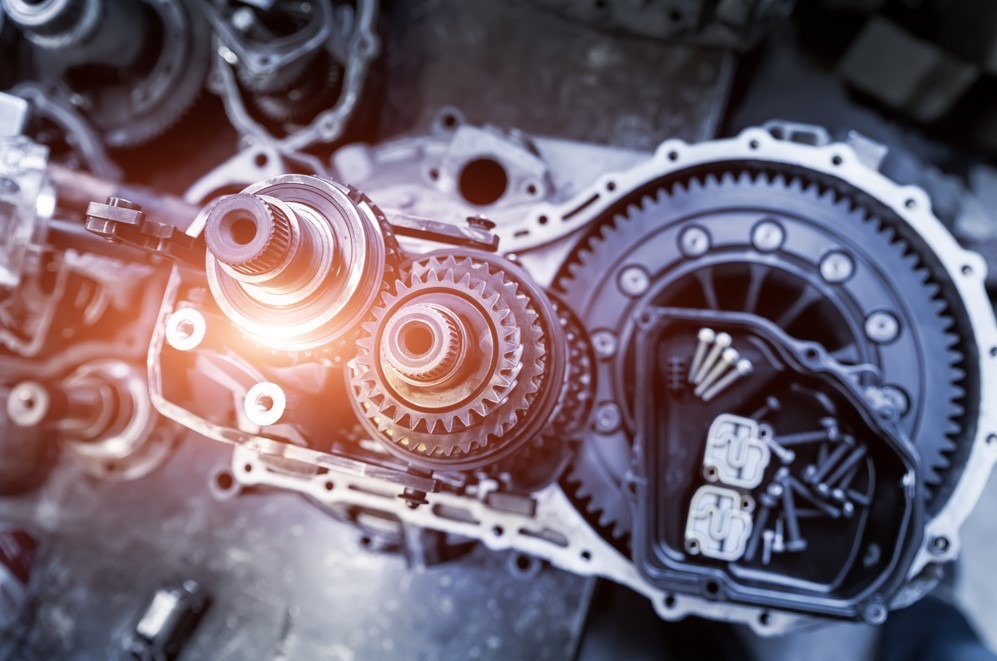
A slipping transmission rarely fails in one dramatic moment. It usually whispers first, then argues, then leaves you stuck in a parking lot or crawling onto the shoulder. One of the easiest automatic transmission signs to notice is a gap between what your right foot asks for and what the car gives back. The engine revs, the speed barely climbs, and the car feels unsure of itself. That is not normal wear you can laugh off until next month.
For U.S. drivers dealing with long commutes, school runs, steep suburban hills, and stop-and-go traffic, transmission slipping symptoms are more than a repair bill warning. They can turn into a safety problem when the car hesitates while merging or loses pull while climbing. Good automotive ownership advice matters because the early clues are often small enough to miss.
AAA notes that low or worn transmission fluid can show up as sluggish shifting, odd noises, leaks, or warning lights, which is why a small behavior change deserves attention before it becomes a teardown conversation.
Why Slipping Feels Different From Normal Shifting
A healthy automatic does not need to feel invisible, but it should feel settled. You press the gas, the engine rises, the car moves, and each gear change fits the speed. When slipping starts, that chain breaks. The engine may sound busy while the wheels feel lazy. The strange part is that the car can still drive “fine” part of the time, which is why many drivers wait too long.
How transmission slipping symptoms feel under load
The clearest test often happens when the vehicle is asked to work. A mild slip on a flat neighborhood street may feel like a small pause. On a freeway ramp, it can feel like the car is thinking while traffic is already moving. The tachometer climbs, the engine note sharpens, and speed does not match the noise.
This mismatch matters because an automatic transmission is not only changing gears. It is sending engine power to the wheels through fluid pressure, clutches, bands, valves, sensors, and software. When one part of that handoff weakens, the car may flare between gears or drift out of the gear it should hold.
A common real-world case is a high-mileage Toyota Camry or Ford Escape that drives smoothly in the morning but slips during the ride home after heat builds. That pattern can fool you. The problem is not gone in the morning; it is hiding until fluid temperature, traffic, and load expose it.
Why small delays can feel harmless until they are not
The tricky part is that slipping does not always feel violent. Sometimes the car moves after a half-second pause from Park to Drive. Sometimes the shift from second to third feels soft instead of sharp. Drivers describe it as “mushy,” “floaty,” or “like the car lost its grip for a second.”
That softness can be more serious than a hard bump. A rough shift gets your attention, but a lazy shift can wear friction material with less drama. Heat builds. Fluid darkens. The transmission control module may try to adapt by changing pressure, which can mask the issue for a while.
Do not judge the problem by how loud it is. Judge it by whether the car responds in the same clean way every time. If it does not, write down when it happens: cold start, hot traffic, uphill pull, reverse only, or highway passing. That pattern helps a shop test the fault instead of guessing.
Automatic Transmission Signs That Show Up While Driving
Once the feeling is clear, the next step is sorting the clues. A slipping unit rarely gives only one signal. It gives a cluster. Some are felt through the seat, some are seen on the tachometer, and some show up under the car after you park. The best move is to connect those clues before a shop visit.
Delayed gear engagement from Park, Reverse, or Drive
Delayed gear engagement is the pause after you shift but before the car moves. You select Drive, lift your foot from the brake, and the car sits there for a beat. Then it catches. In Reverse, it may feel even more obvious because the car needs clean hydraulic pressure to apply the correct clutch pack.
One pause after a cold start on a freezing Michigan morning may not mean the unit is dying. A repeated delay after warm-up is different. That is the kind of pattern you should not explain away, mainly if the delay grows from half a second to two or three seconds over a few weeks.
There is also a safety angle. Picture backing out of a crowded grocery store space in Phoenix or Dallas. You shift into Reverse, expect motion, get nothing, press the gas, and then the car grabs. That lurch can put you closer to another car, a cart, or a person than you planned.
RPM flare, speed lag, and odd shift timing
RPM flare is one of the plainest clues. The engine speed jumps during a shift, then falls once the gear catches. It may happen during light acceleration or when you ask for a quick pass. The car feels as if it briefly stepped on ice.
A speed lag is close, but not the same. You press the pedal, the engine responds, yet the vehicle does not gain speed at the same rate. That can happen because the torque converter, clutch packs, pressure control, or fluid condition is no longer keeping up with demand.
Here is the non-obvious part: software can make this harder to read. Many late-model vehicles “learn” driver habits and shift pressure over time. That can smooth over early wear. So a car may feel normal until it crosses a threshold, then suddenly act worse. A scan tool and road test can reveal stored data long before the dashboard looks angry.
Fluid, Heat, and Smell Tell Their Own Story
A slipping transmission is often a heat story before it becomes a parts story. Fluid does more than lubricate. It carries pressure, cools components, and helps clutches apply. When fluid gets low, old, contaminated, or overheated, the whole unit loses its calm. That is why a dipstick, leak spot, or smell can tell you more than a casual test drive.
Burning transmission fluid and dark leaks under the car
Burning transmission fluid has a sharp, hot smell that is hard to forget once you know it. It may drift through the cabin after a hill climb, a towing trip, or a long crawl in traffic. The smell does not prove the whole unit is ruined, but it does tell you heat has entered the story.
Fresh automatic transmission fluid is often red or pink, though some newer fluids vary by make. Old or overheated fluid may look brown and smell cooked. A red-brown spot under the front or middle of the vehicle can point to a leak, though AAA warns that some coolants are also dyed red, so a mechanic should confirm the source.
A small leak can create a big problem because the system depends on pressure. You may not notice the first few drops on a dark driveway. By the time slipping appears during a hot commute, the fluid level may already be low enough to damage clutch material.
Why heat can make a good car act broken
Heat changes how the whole system behaves. Fluid thins, seals harden, and marginal pressure problems become easier to feel. This is why a car may pass a short test drive but slip after twenty minutes on the beltway. The mechanic who only drives around the block may miss it.
The counterintuitive move is to avoid flooring the gas to “test” the slip. Hard acceleration can make a weak clutch pack glaze faster. A better test is gentle, steady throttle while watching whether RPM and road speed rise together. Write down what gear range, speed, and temperature seem to trigger it.
If your owner’s manual allows fluid checking, follow that method exactly. Some vehicles need the engine running, the fluid warm, and the shifter moved through each range. Others have sealed units that need shop equipment. Guessing can lead to overfilling, and overfilled fluid can foam, which also hurts pressure.
What To Do Before the Repair Bill Gets Ugly
The smartest response is not panic. It is triage. Some slipping complaints come from low fluid, a bad sensor, worn solenoids, software issues, or a service need. Others point toward internal wear. The goal is to avoid turning a repairable problem into a replacement because you kept driving while the unit was asking for help.
Safe steps after delayed gear engagement or slipping
Start with the basics. Check for leaks where you park. Note fluid color and smell if the vehicle has a dipstick. Watch the tachometer during gentle acceleration. Record whether the issue happens cold, warm, uphill, in Reverse, or after highway driving.
Then reduce load. Skip towing. Avoid steep hill starts when possible. Do not keep driving long distances if the car slips during normal traffic. If the warning light comes on, have the codes read before anyone clears them. Those codes can show pressure control faults, solenoid behavior, temperature history, or gear ratio errors.
A useful next step is reading a transmission fluid service guide before calling shops. You will ask better questions. Ask whether they will road-test the car hot, check fluid condition, scan transmission data, inspect for leaks, and confirm whether any technical service bulletin or software update applies to your model.
When a warning light turns into a safety issue
A check engine light tied to transmission behavior deserves a different level of attention than a loose gas cap. If the vehicle slips while crossing traffic, merging, or climbing, stop treating it as a comfort issue. It is now about predictability.
NHTSA allows drivers to report suspected vehicle safety defects and says it reviews complaints along with other data to look for defect trends. That matters when a pattern appears across the same model, especially if slipping or sudden loss of drive creates road risk.
Before buying a used car with any shift concern, use a used car inspection checklist and insist on a cold start plus a warm road test. A seller who says “they all do that” may be right for a specific CVT feel, but not for flare, burn smell, leaks, or delayed Reverse. AAA also notes that some CVTs can feel like slippage during normal operation, so context matters.
Conclusion
Transmission trouble rewards drivers who pay attention early. The first clue may be a soft shift, a short pause before Reverse, a hot smell after traffic, or an RPM jump that does not match road speed. None of those details prove a worst-case repair by themselves, but together they tell you the car is losing consistency.
The safest way to handle automatic transmission signs is to treat them like a pattern, not a mood. Track when they happen, reduce heavy driving, check for leaks, and get a proper scan and road test before the symptoms grow. A shop can only diagnose what it can repeat or measure, so your notes have real value.
Do not wait for the car to strand you before taking action. The best repair is often the one made while the vehicle still moves under its own power.
Frequently Asked Questions
How do I know if my transmission is slipping or the engine is misfiring?
A slip usually makes RPM rise without matching speed, while a misfire often feels like shaking, sputtering, or uneven engine power. A scan tool helps separate the two. Gear ratio codes point toward the transmission, while misfire codes point toward ignition, fuel, or engine control.
Is it safe to drive with transmission slipping symptoms?
Short local driving may be possible, but it is risky if the car hesitates in traffic, slips uphill, or loses pull during merging. Heat and friction can make the damage worse. Avoid towing, highway passing, and long trips until a mechanic checks it.
Can low fluid cause delayed gear engagement?
Yes. Low fluid can reduce hydraulic pressure, which makes the transmission slow to apply the correct gear. The delay may show up first when shifting into Drive or Reverse. A leak check matters because topping off fluid without fixing the leak only buys time.
What does burning transmission fluid smell like?
It often smells sharp, hot, and cooked, closer to overheated oil than gasoline. You may notice it after hills, towing, or heavy traffic. The smell can mean overheated fluid, low fluid, clutch wear, or a cooler problem, so it should be checked soon.
Will a fluid change fix a slipping transmission?
Sometimes, but not always. Fresh fluid may help if the old fluid is worn and no internal damage has started. If the fluid is full of clutch material or the unit already flares badly, a fluid change may not save it. Diagnosis comes first.
Why does my car slip more when it gets hot?
Heat thins fluid and exposes weak pressure control, worn seals, or tired clutch packs. A short cold drive may feel normal, then slipping appears after traffic or highway use. That hot-only pattern is useful information for the shop road test.
Can a bad sensor make a transmission feel like it is slipping?
Yes. Speed sensors, shift solenoids, pressure sensors, and throttle data can affect shift timing and pressure. The vehicle may command the wrong shift or apply pressure poorly. That is why code reading and live data matter before assuming internal failure.
How much does it cost to fix a slipping transmission?
Costs vary by vehicle, diagnosis, and damage level. A leak repair or sensor may cost far less than internal repair or replacement. Get a written diagnosis, ask what failed, and compare more than one quote before approving major work.