
 Michael Caine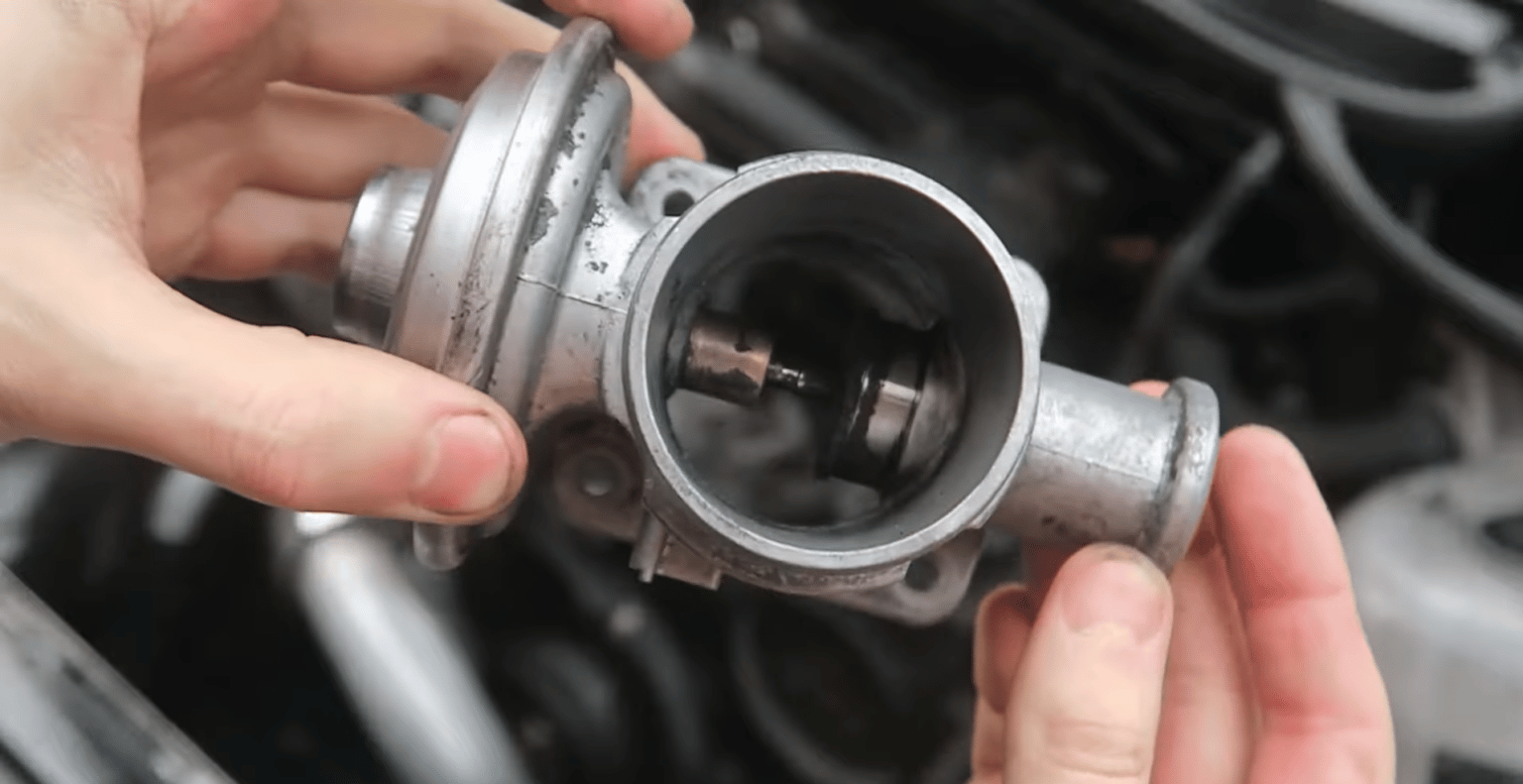
A car does not lose its edge all at once. It usually starts with a lazy pull from a stoplight, a shake at idle, or a check engine light that appears after a week of short trips. Clogged EGR valve symptoms can point to a carbon-choked emissions part that is quietly changing how the engine breathes, burns fuel, and handles exhaust. For many U.S. drivers, the first clue comes during a commute, a state inspection, or a long uphill pull when the vehicle no longer feels clean or sharp. The EGR system is not glamorous, but it matters. It routes a measured amount of exhaust back into the intake to cool combustion and control NOx emissions. When that path gets restricted, the engine computer starts fighting bad airflow data, weak combustion, and higher exhaust heat. That is where trusted automotive maintenance guidance helps owners think beyond the warning light. The fix is not always a new part. Sometimes it is cleaning, testing, or finding the reason carbon built up in the first place.
Why the EGR System Gets Dirty Before Most Drivers Notice
The EGR system lives in a dirty neighborhood. It sits between exhaust soot, intake vapor, heat cycles, and the constant stop-and-go rhythm of American driving. On paper, the job sounds simple: open at the right time, close at the right time, and let a controlled amount of exhaust gas back into the intake. In real life, that valve may spend years dealing with carbon, oil mist, weak PCV flow, cheap fuel, short trips, and owners who only notice trouble when power drops.
Carbon buildup starts with normal driving habits
Short trips are hard on EGR parts because the engine may not stay hot long enough to burn off deposits. A commuter in Chicago, Dallas, or Newark who drives six miles each way can create the perfect pattern: cold start, light throttle, low exhaust heat, shut down. Nothing feels abusive, but the system never gets the long, hot run it needs.
Diesel engines can be even more sensitive because soot is part of the exhaust stream. Gasoline engines get deposits too, especially on engines where oil vapor and exhaust residue meet inside the intake. The non-obvious part is that careful driving can sometimes make buildup worse. Babying the throttle for months may keep fuel use low, but it can also mean the EGR valve rarely sees the heat and flow needed to keep deposits from hardening.
A practical example: a used SUV that only shuttled kids to school may have fewer miles than a highway sales car, yet the low-mileage one can have a dirtier intake path. Mileage matters. Driving pattern matters more than most owners think.
The valve does not have to fail completely
A clogged EGR passage is not the same as a dead EGR valve. That distinction saves money. The valve may still move when commanded by a scan tool, yet the passage behind it may be narrowed by carbon. The computer asks for flow. The valve opens. The expected change never arrives.
This is why some owners replace the valve and still get the same check engine light. The part was blamed because it was easy to see. The blockage was hidden in the tube, cooler, intake port, or manifold runner. A good technician tests flow, not ego.
EGR valve failure also does not always mean one dramatic symptom. A valve stuck open can act like a vacuum leak at idle. A valve stuck closed or blocked can raise combustion temperature and emissions. A half-stuck valve can create a messy mix of weak power, hesitation, and unstable idle that feels like bad spark plugs or a tired fuel pump.
Clogged EGR Valve Symptoms That Show Up While Driving
The road test tells a story the dashboard cannot. A clogged or sticking EGR system often shows up first under light load, low-speed acceleration, or steady cruising. That is why drivers describe it in plain terms: the car feels flat, the engine feels dirty, or the pedal needs more pressure than it used to. The trick is to separate EGR trouble from lookalike faults before you buy parts.
Power loss feels worse at the wrong moments
Reduced power from EGR trouble often appears when you ask for a smooth, clean pull. The engine may hesitate when leaving a parking lot, feel dull merging onto a freeway, or stumble during a gentle hill climb. It may still run fine at wide-open throttle because many systems reduce or shut EGR flow during heavy load.
That last part surprises people. A car can feel acceptable when you floor it but poor during normal driving. That does not clear the EGR system. It may point straight at it.
On a gasoline sedan, you might notice a flutter around 35 to 50 mph when holding light throttle. On a diesel pickup, you may feel weak low-rpm response before the turbo fully wakes up. In both cases, the driver senses lag, but the cause may be bad exhaust recirculation control rather than a failing turbo or transmission.
A useful internal follow-up is reading more about warning signs of engine hesitation, because hesitation is a shared symptom across ignition, fuel, airflow, and emissions systems.
Idle problems often tell you which way the valve is stuck
A rough idle and stalling pattern often points to too much exhaust entering the intake at the wrong time. At idle, the engine needs a stable mix and a clean burn. Extra exhaust gas can dilute that mix, making the engine shake, stumble, or quit at a stop sign.
That does not mean every shaky idle is an EGR fault. Dirty throttle bodies, vacuum leaks, weak coils, worn plugs, and low fuel pressure can mimic it. The detail that helps is timing. If the engine idles poorly after warm-up, stalls when coming to a stop, and stores an EGR flow code, the pattern gets stronger.
Rough idle and stalling can also happen after someone cleans the valve but leaves chunks of carbon in the passage. The valve may close better than before, yet loose debris can stop it from sealing. A repair that makes the car worse is not rare here. It usually means the cleaning was rushed or the passage was not cleared with care.
How EGR Trouble Raises Emissions and Triggers Codes
Once the drivability problem appears, the emissions side is already part of the story. The EGR system helps reduce NOx by lowering peak combustion temperature. When exhaust flow is blocked, combustion can run hotter. When the valve leaks open, combustion can become unstable. Neither condition is friendly to a tailpipe test or an onboard emissions monitor.
Failed inspections can come from flow, not smoke
Many drivers expect an emissions problem to show up as visible smoke. That is not always how EGR trouble works. NOx is not something you see pouring from the tailpipe. A vehicle can look clean, smell normal, and still fail an emissions test because the system is not controlling combustion temperature as designed.
This matters in states such as California, New York, Texas, Pennsylvania, and North Carolina, where inspection rules can make a check engine light more than a nuisance. If the engine computer stores an EGR-related fault and the readiness monitors do not pass, the car may fail before anyone measures tailpipe output. The light itself becomes the gatekeeper.
For a plain-language emissions reference, the EPA vehicle emissions information is a solid place to understand why control systems matter beyond fuel mileage. For next steps after a failed test, use a guide to failed emissions inspection repairs before guessing at parts.
Codes help, but they do not make the diagnosis
Common EGR-related OBD-II codes include low-flow and high-flow patterns. A low-flow code often means the computer commanded EGR and did not see the expected change. That can come from a clogged passage, bad valve, failed solenoid, wiring issue, sensor fault, or vacuum problem on older designs.
A high-flow code can mean the valve is stuck open, leaking, or being commanded wrong. That can create rough idle and stalling because exhaust gas enters when it should not. The code points toward the system. It does not point to the exact part with courtroom certainty.
Here is the counterintuitive bit: clearing the code after cleaning the valve can hide the issue for a few drive cycles without fixing it. The computer needs time and the right conditions to retest the system. If the light returns after a few days of mixed driving, the original fault is still there or the cleaning exposed a deeper issue.
Cleaning, Replacing, and Preventing the Problem From Coming Back
The best repair depends on what failed. A dirty mechanical valve can often be cleaned. An electronic valve with a damaged motor may need replacement. A clogged cooler, tube, or intake passage may make a new valve look bad. That is why the right order is inspect, test, clean where possible, then replace only when the evidence supports it.
Cleaning works when the valve still moves properly
Cleaning can help when carbon is the main problem and the valve is not electrically or mechanically damaged. The valve should move freely, seal when closed, and respond to command. If it does, removing carbon from the valve and the related passages can restore flow.
Do not treat the valve like a random metal bracket. Electronic EGR valves can be damaged by soaking the wrong section in harsh cleaner. Gaskets may need replacement. Ports may need careful scraping and vacuuming so debris does not fall into the intake. A careful cleaning is slow work, not a spray-and-pray job.
EGR valve failure becomes more likely when the pintle is worn, the motor fails, the position sensor reads wrong, or the valve body is heat-damaged. At that point, cleaning may buy a week and waste a Saturday. Replacement makes sense when testing shows the valve cannot respond or seal.
Prevention is less about additives and more about heat cycles
Many bottles promise clean passages, but driving pattern still matters. A healthy engine that reaches full operating temperature, gets periodic highway time, and has a sound PCV system is less likely to pack the intake with sticky deposits. Maintenance has a rhythm. Ignore that rhythm, and carbon wins.
This does not mean you need to abuse the car. It means the engine should sometimes run long enough and warm enough to dry out moisture, move exhaust through the system, and let the computer complete emissions checks. A weekly highway drive can help some vehicles more than another round of idle time in the driveway.
Fuel quality, oil control, air filtration, and repair timing all matter too. A small vacuum leak, weak thermostat, or oil consumption issue can feed the conditions that dirty the EGR path. Fixing the root cause is less satisfying than bolting on a shiny part, but it is the repair that lasts.
Conclusion
An EGR problem is easy to underestimate because it starts small. A little hesitation. A rough stoplight idle. A code that seems safe to clear. Yet the system sits at the meeting point of power, fuel control, combustion heat, and emissions. That makes it too important to diagnose by guesswork.
The smartest move is to read the pattern, not one symptom. Clogged EGR valve symptoms should push you toward testing flow, checking passages, and confirming whether the valve is stuck, blocked, leaking, or being misread by the computer. That approach protects your wallet and your engine.
Do not wait until an inspection deadline forces a rushed repair. A clean, working EGR system helps the vehicle feel sharper and keeps emissions equipment doing its job. Treat the first signs as useful evidence, then repair the cause before carbon turns a small drivability problem into a larger bill.
Frequently Asked Questions
How do I know if my EGR valve is clogged or stuck open?
A clogged passage often causes low-flow codes, poor acceleration, pinging, or failed emissions checks. A stuck-open valve is more likely to cause rough idle, stalling, and poor low-speed running. Testing valve movement and EGR flow gives a better answer than symptoms alone.
Can I keep driving with a bad EGR valve?
You can often drive short distances, but it is not wise to ignore it. A bad EGR system can raise emissions, hurt fuel economy, cause stalling, or create extra heat under load. Get it checked before a simple fault turns into multiple repairs.
Will a clogged EGR valve cause a check engine light?
Yes, it can trigger the check engine light when the engine computer sees too little or too much EGR flow. Common causes include carbon buildup, a stuck valve, damaged wiring, failed vacuum control, or blocked passages behind the valve.
Does cleaning an EGR valve always fix the problem?
No. Cleaning helps when carbon buildup is the main issue and the valve still moves and seals correctly. If the motor, sensor, wiring, cooler, or intake passage has failed, cleaning the visible valve may not solve the fault.
How much does EGR valve replacement cost in the USA?
Cost varies by vehicle, engine layout, and labor access. Many repairs fall into a few hundred dollars, while some diesel or tight engine bays can cost far more. Diagnosis matters because replacing the valve will not fix a clogged passage elsewhere.
Can a clogged EGR valve reduce fuel mileage?
Yes, poor EGR control can hurt fuel mileage by disturbing combustion and forcing the engine computer to adjust fuel and airflow. The change may be small at first, then become more noticeable with hesitation, rough idle, or repeated check engine lights.
What does an EGR-related emissions test failure mean?
It usually means the vehicle’s emissions system did not pass its onboard checks or produced readings outside the allowed range. The cause may be the valve, passages, sensors, wiring, or another engine issue that affects combustion and exhaust control.
Is EGR delete legal for street vehicles in the United States?
No, removing or disabling emissions equipment on a street-driven vehicle is not legal under U.S. emissions rules. It may also cause inspection failure, warning lights, poor engine control, and resale problems. Repairing the system is the safer route.