
 Michael Caine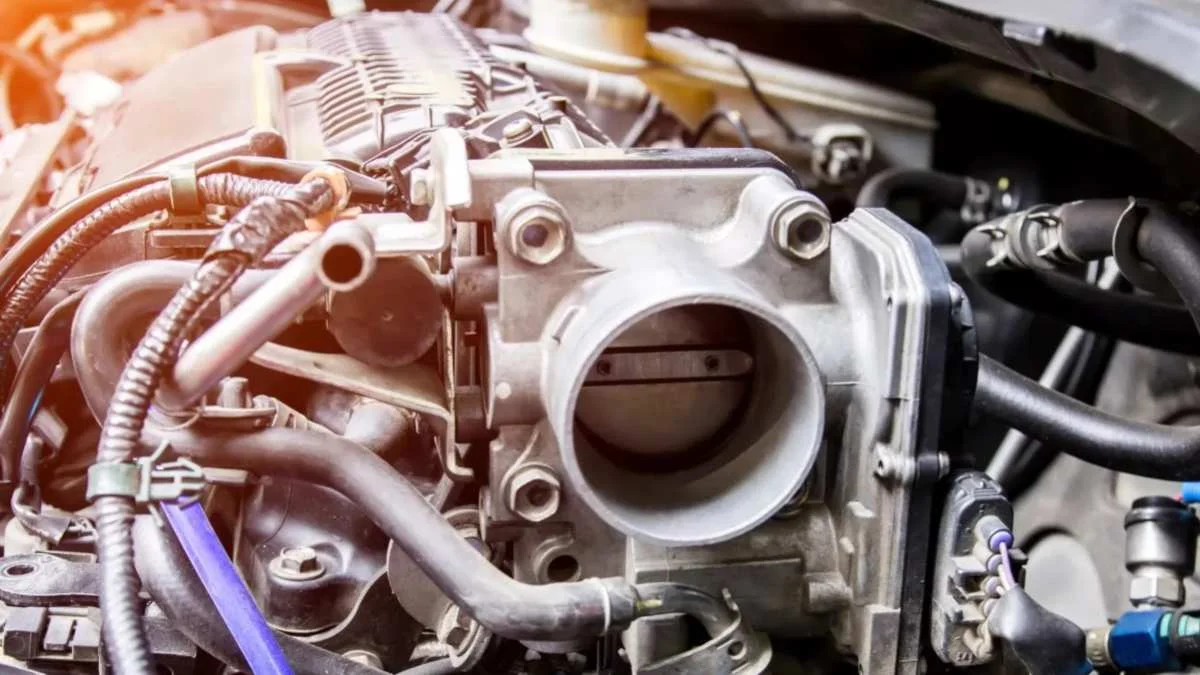
A car that dies at a red light has a way of making the whole road feel closer than it should. Idle Air Control Valve Symptoms often begin with small annoyances: a wavering tach needle, a low idle after startup, or a shudder when the brake pedal is pressed. Then one afternoon, the engine quits while you are boxed in behind traffic. That is the moment most drivers stop calling it “minor.” For many older cars and light trucks still on American roads, the idle air control valve is the small part that helps the engine breathe when your foot is off the gas. When it sticks, clogs, or receives bad commands, the engine can lose the air it needs to stay alive at idle. Good diagnosis matters because a stall at a stop can also come from vacuum leaks, dirty throttle plates, weak batteries, sensor faults, or fuel issues. Before replacing parts, use trusted automotive repair guidance and a simple test path. The goal is not to guess faster. It is to prove what changed.
Why Stop-Light Stalling Often Starts as a Small Idle Problem
Most drivers notice the stall before they notice the pattern. The engine may run fine on the highway, pull cleanly through the gears, and behave as if nothing is wrong once the throttle opens. Then the car slows for a light, the rpm drops below its normal floor, and the engine coughs out. That split personality is the clue. A failing idle system can hide under normal driving because the throttle blade is open and the engine has another air path.
The tension comes from timing. At a stop, the engine has to keep running with no help from your right foot. It must balance air, fuel, spark, electrical load, and temperature while the vehicle is still. Add headlights, defroster, power steering, or air conditioning, and the margin gets smaller. A healthy system reacts. A sticky one hesitates.
Why the engine dies when your foot leaves the gas
The idle air control valve gives the engine a controlled air bypass around the closed throttle plate. On many older fuel-injected engines, the computer opens or closes that bypass to hold the idle speed near target. It is not trying to add power. It is trying to keep the engine from falling below the speed where it can run cleanly.
Here is the everyday example. You pull into a left-turn lane in a 2007 sedan after twenty minutes of errands. The engine is warm, the radiator fan kicks on, and the alternator load rises. If the bypass passage has carbon buildup, the valve may not open enough. The rpm dips, the steering wheel trembles, and the engine shuts off before the computer catches it.
The non-obvious part is that a dirty throttle body can make the same part look guilty. Carbon around the throttle plate reduces the small amount of air that sneaks past at closed throttle. The valve then has to work harder to make up the gap. A scan tool may show high idle correction, yet the valve itself may still be able to move.
Why engine stalling when braking may fool you
Engine stalling when braking can send people toward the brake booster first. That is fair, because a leaking booster can create a vacuum leak when the pedal is pressed. But braking also happens at the same moment the throttle closes, vehicle speed drops, and the idle system has to take over. Several events pile into one second.
That is why the first question should be simple: does it stall because you braked, or because the engine returned to idle? A good test is to let the car coast in a safe open area, then shift to neutral as the rpm falls. If the idle still dives without heavy brake use, the fault may sit in idle control, throttle airflow, or sensor feedback.
A shop sees this often on older Hondas, Fords, Toyotas, and GM models where the engine runs well above 1,500 rpm but acts weak below 700 rpm. The driver says, “It only happens at lights.” The mechanic hears, “The engine cannot catch itself when the throttle closes.” That is a different problem, and it deserves a different test order.
Idle Air Control Valve Symptoms That Point Beyond a Random Stall
A single stall tells you little. Patterns tell you more. A weak fuel pump, failing crank sensor, dirty mass airflow sensor, or loose ground can kill an engine too. The valve becomes a stronger suspect when the fault clusters around low-speed moments: cold starts, warm restarts, parking maneuvers, stop signs, and long waits in drive.
This section matters because many drivers replace the valve after reading one symptom list. That can work, but it can also waste money. The better move is to match the symptom to the condition. When did it happen? Was the engine hot or cold? Was the air conditioner on? Did the rpm hang high before dropping low? That history can separate a real idle control problem from a broader drivability fault.
Rough idle at stop with a bouncing tach needle
A rough idle at stop often shows up as a small rhythm through the seat. The engine does not roar or knock. It hunts. The tach needle rises, dips, pauses, and rises again. Some cars sound as if someone is tapping the throttle, even though your foot is resting on the brake.
This happens when the computer keeps chasing the target idle speed. It opens the valve to save the engine, then closes it when the rpm climbs too far. A sticky pintle, carbon in the passage, or unstable airflow reading can turn that correction into a loop. You feel the loop as a surge.
The counterintuitive sign is a high idle after startup. Many drivers think a failing valve only causes low idle. It can also stick open and let in too much air. The engine may race at 1,500 or 2,000 rpm, then settle late, then stumble when you shift into drive. High idle and stalling can come from the same small valve taking the wrong position at the wrong time.
Hard starts, sudden dips, and load-related stalls
A weak idle valve can also make the engine hard to start, mainly when cold. The engine needs more air during the first moments after startup. If the bypass path is restricted, the engine may fire, stumble, and quit unless you lightly press the gas pedal. That pedal trick is useful information. It means added throttle air helps the engine live.
Load-related stalls add another clue. Turn on the air conditioning at idle. Turn the steering wheel while parking. Switch on the rear defroster. If the rpm drops hard under those loads and the engine does not recover, the idle system may not be responding fast enough. On a healthy car, the computer raises idle to absorb the extra load.
Here is a practical driveway check. Start the engine cold, let it settle, then watch the tach as the cooling fan or A/C compressor cycles. A small dip is normal. A plunge toward zero is not. That does not convict the valve by itself, but it tells you the engine is losing idle reserve when it needs it most.
Diagnosis Before Parts: How to Avoid the Expensive Guess
The fastest-looking repair is often the slow one. Replacing the valve first feels direct, yet it skips the boring checks that catch many real faults. Idle problems live in a shared neighborhood: air leaks, dirty passages, weak voltage, sensor errors, and learned idle values all affect the same behavior. A careful path saves money because it asks what the engine is missing before it asks which part to buy.
Start with the basics. Check for stored codes. Look at battery condition and charging voltage. Inspect intake hoses for splits. Listen for hissing near the brake booster, PCV hose, and intake manifold. A torn vacuum hose can create a lean idle that no new valve can fix. The car may still feel normal on the road because higher throttle airflow hides the leak.
What a scan tool can show without naming the part
A scan tool does not have to be expensive to help. Even a modest OBD-II reader can show pending codes, rpm, coolant temperature, fuel trim, and sometimes idle command data. Codes in the P0505 family can point toward idle control on some vehicles, but codes are not verdicts. They are clues.
Fuel trim is worth watching. If long-term trim is high at idle but closer to normal at 2,500 rpm, the engine may be pulling unmetered air through a vacuum leak. If trim looks normal but idle command is high, the computer may be asking for more bypass air because the throttle plate and passages are dirty. That is where a vacuum leak diagnosis checklist can keep the test organized.
The overlooked detail is coolant temperature. A sensor that lies to the computer can change idle behavior. If the scan tool says the engine is freezing cold after a full warmup, the computer may enrich fuel and command the wrong idle strategy. You might blame the valve because the symptom appears at idle, while the root cause sits in sensor data.
Cleaning, testing, and knowing when to stop
Cleaning can help, but it is not magic. Remove the valve only if the service layout allows it and you can avoid damaging the gasket or connector. Use throttle-body-safe cleaner, not harsh solvent that can attack coatings or rubber. Clean the air passage and the valve tip if the design permits. Do not force the pintle on units that warn against manual movement.
After cleaning, the engine may idle oddly until it relearns. Some vehicles need an idle relearn process. Others settle after a few drive cycles. This is where a throttle body cleaning guide helps, because the steps vary by make and year.
Also check safety history before chasing rare faults. If stalling has become frequent, use the official NHTSA recall lookup with your VIN. Recalls are not the same as normal wear, but a stall concern is serious enough to rule out known safety campaigns. That one check costs nothing and may change the repair path.
Repair Choices, Costs, and What Experienced Mechanics Watch For
Once the tests point back to the valve, the repair looks simple: replace or clean the part, clear codes, and confirm the idle. The real work is in the confirmation. A car that stalls at lights must be tested in the same conditions that caused the complaint. Warm engine. Stop-and-go driving. A/C on. Steering load. Long idle in drive. Anything less can send the driver home with the same fault waiting at the next intersection.
Parts costs vary by vehicle. On many older domestic and Asian models, an idle valve can be affordable and easy to reach. On some European models or tight engine bays, access adds labor. A shop may recommend cleaning first when the valve is reachable and carbon is visible. Replacement makes more sense when the motor fails electrically, the connector is damaged, or the valve sticks again after cleaning.
When replacement beats another cleaning
Cleaning is a fair first move when the issue is mild and the part has obvious carbon buildup. It is less convincing when the engine stalls without warning, the valve fails an electrical resistance test, or the scan tool shows no response when the computer commands idle changes. At that point, cleaning may buy a week and leave you stranded later.
A real-world example: a mid-2000s pickup comes in with a rough idle at stop and no major codes. The throttle body is dirty, the IAC passage is black, and the valve still moves. Cleaning restores a stable idle. Another truck comes in with the same complaint, but the valve command changes while rpm does not. The connector is clean, voltage is present, and the valve is lazy. That truck needs a part.
The non-obvious repair issue is part quality. Cheap idle valves can create new problems, especially if the pintle shape or response speed differs from the original. An experienced mechanic may prefer original equipment or a trusted brand because idle control is a small-motion job. The engine feels every delay.
Why the final test drive matters more than the receipt
A finished repair should prove four things. The engine starts cleanly. Idle speed settles without hunting. Electrical and A/C loads do not drag rpm near zero. The car can stop from normal road speed without dying. If the shop only starts the car in park and calls it done, the test missed the failure point.
Ask for the old part if replacement was done. You do not need to inspect it like a lab tech. You are checking that a part actually came off the car and that the repair was not guesswork hidden behind jargon. Ask what test supported the repair. A good answer sounds plain: the valve was commanded open, rpm failed to respond, power and ground were present, and the passage was clean.
Engine stalling when braking should never be treated as harmless. Even if the car restarts at once, the stall can take away power steering assist and power brake reserve after repeated pedal presses. That does not mean panic. It means fix the idle fault before it turns into a dangerous habit.
Conclusion
A stop-light stall is not only annoying; it changes how you drive. You start leaving more space, feathering the gas, and watching the tach instead of the road. That is the wrong kind of confidence. The smart path is to read the pattern first, then test the air path, voltage, vacuum, sensor data, and valve response in order. Idle Air Control Valve Symptoms can point you in the right direction, but they should not push you into blind parts replacement. A dirty throttle body, leaking hose, weak charging system, or bad sensor can wear the same mask. When the evidence does lead back to the valve, repair it with care and confirm the fix under real stop-and-go conditions. The engine should catch itself when your foot leaves the gas. No drama, no guessing, no nervous glance at the next red light. Get the idle stable before the road forces the issue.
Frequently Asked Questions
How do I know if my IAC valve is bad or dirty?
A dirty unit often causes slow idle changes, hunting rpm, or stalls that improve after cleaning. A failed unit may not respond to computer commands, may set idle-control codes, or may test out of range electrically. Diagnosis should also rule out vacuum leaks and throttle buildup.
Can I drive with a car that stalls at stop lights?
You should avoid normal driving until the cause is found. A stall in traffic can reduce steering assist and brake assist. The car may restart, but that does not make it safe. Short trips to a repair shop are different from daily commuting.
Why does my car idle fine in park but stall in drive?
Drive adds load through the transmission. A weak idle system may hold rpm in park but fail when the engine has to pull against that load. The same problem can appear when the A/C compressor or power steering adds demand.
Will cleaning the throttle body fix idle stalling?
It can, especially when carbon buildup blocks airflow around the throttle plate. It will not fix a dead valve, torn vacuum hose, weak battery, or sensor fault. Cleaning works best when inspection shows dirt and testing does not show electrical failure.
What codes are linked to idle control problems?
Some vehicles may store P0505, P0506, P0507, P0508, or P0509. Code meaning varies by make, so read factory repair info before buying parts. A code points to a system fault, not always a single failed component.
Why does the engine stall more when the A/C is on?
The compressor adds load at idle. A healthy control system raises airflow to keep rpm steady. If the valve sticks, the throttle body is dirty, or the engine has a vacuum leak, that extra load can pull rpm down until the engine quits.
Can a vacuum leak act like an idle valve failure?
Yes. A vacuum leak can cause unstable idle, high idle, lean fuel trim, and stalling. The difference is that fuel trim often changes more at idle than at higher rpm. Smoke testing and hose inspection can separate the two issues.
Is replacing the idle air control valve expensive?
Cost depends on access and part quality. Some older vehicles have low parts cost and simple labor. Others bury the valve near the throttle body or intake parts. Paying for diagnosis first often costs less than replacing a good valve by mistake.