
 Michael Caine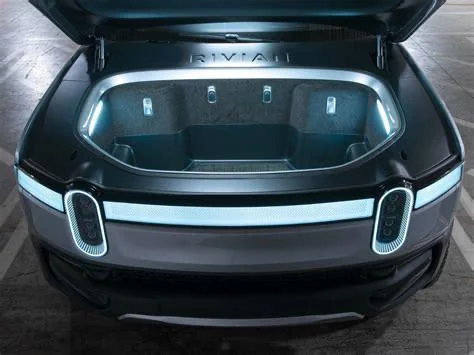
A front trunk should feel boring in the best way: press, open, load, close, drive. Rivian R1T Frunk Latch Failure became a search topic because some owners described the opposite experience, from hood warnings to a front trunk that would not pull down cleanly. For owners tracking EV repair patterns through practical automotive reporting, the useful answer is not panic. It is pattern reading. A powered front trunk mixes a latch, sensors, alignment, software commands, and low-voltage health, so one symptom can point in several directions. If your R1T shows a hood alert, refuses to close, pops back up, or limits speed because the hood is not seen as secure, treat it as a real service concern. Do not slam the hood or defeat the warning. Check for cargo, ice, trim movement, and obvious misalignment, then document the behavior for Rivian service. The truck may be modern, but the old rule still holds: a closure problem is small only when it stays repeatable, safe, and easy to verify.
Why Frunk Latch Failure Became a Trust Issue for Early R1T Drivers
The R1T arrived with a different kind of promise. It was not only an electric pickup; it was a truck with hidden storage, clever access points, and a front cargo space that made daily use feel new. That made the front trunk more than a neat extra. For many owners, it became the place for charging gear, work bags, grocery items, and wet camping equipment that did not belong in the cabin.
Why a Small Hood Problem Feels Bigger on an Electric Truck
On an older gas truck, a hood that needs a second push may annoy you, but you usually treat it as a hardware adjustment. On an electric truck, the same behavior feels less simple. You press a screen, a fob, or a fascia button, then wait for motors and sensors to agree. When they do not agree, the truck may feel like it is arguing with itself.
That is the reason early owner reports gained attention. The R1T front trunk is tied to trust. If the hood says it is open when your eyes say it is shut, you are left asking which system to believe. The screen? The latch? The warning chime? Your own hand on the panel gap?
There is also a safety layer. Rivian’s owner materials tell drivers to make sure the hood is closed and flush before driving, and the truck can limit speed if it detects the hood as open. That one detail changes the mood. It moves the issue from a storage nuisance to a trip-stopping fault.
The counterintuitive part is that a warning may be useful even when the hood appears closed. A sensor that complains can be irritating, but it may also stop a driver from entering highway traffic with a panel that is not confirmed secure. The alert is not the enemy. The uncertainty is.
How Early Owner Reports Separate Irritation From Risk
Early owner reports tend to mix small annoyances with serious headaches. One person may describe a front trunk that needs a reset after service. Another may describe a hood alert that keeps the truck slow on a long drive home. Those are not equal events, even though they live under the same complaint umbrella.
A useful way to read these stories is to sort them by outcome. If the front trunk opens and closes after a second command, the issue may be a calibration or obstruction problem. If it refuses to latch, reopens, or creates a driving limit, it belongs in a service ticket. If it happens after windshield work, front-end service, collision repair, or battery warnings, the timeline matters.
This is where Rivian R1T frunk problems need calm attention. A new EV owner can make a small fault worse by forcing the hood down or by treating every alert as software drama. Neither approach helps. The right move is to record the exact trigger: after rain, after a wash, after charging, after a software update, after a service visit, or after the truck sat overnight.
The same logic helps used buyers. Do not ask only, “Was the front trunk fixed?” Ask whether the symptom returned. One clean repair note may be normal. Three visits for front trunk latch issues tell a different story, especially if the truck also had low-voltage warnings or front body alignment work.
How the R1T Front Trunk System Can Confuse the Diagnosis
The easy story says the latch is broken. Sometimes that is true. Yet the R1T front trunk is not a single part doing a single job. It is a set of parts that must agree before the truck can say the hood is safe. That includes the latch, striker position, powered movement, anti-pinch logic, body fit, sensors, and the truck’s low-voltage support.
When Sensors, Alignment, and Software Tell Different Stories
A hood can look closed while a sensor still reads it wrong. A latch can be fine while the striker sits a hair out of position. A software command can stop the movement because resistance feels abnormal. That is why the first symptom does not always name the broken part.
Think about a garage in Minnesota after a freeze-thaw cycle. Water collects, turns to ice near a seal, and the hood loses the last bit of travel. The owner sees a front trunk that will not close. The service tech may find no bad latch at all. The problem was the last quarter inch.
Now think about a desert owner in Arizona. Dust builds along the seal, cargo shifts, and a soft bag sits near the closing path. The hood may reverse because the system detects resistance. Again, the symptom looks like a latch concern, but the cause sits in the path of travel.
A third case is more electronic. A weak low-voltage battery can make strange body-control behavior appear before a clear battery warning. One day the truck acts normal. The next day the hood alert appears, then disappears after sleep. That does not prove a latch is healthy, but it does show why service needs the full story.
Why Front Trunk Latch Issues May Not Always Mean a Broken Latch
Front trunk latch issues are easy to name and harder to prove. The latch is the visible suspect, so owners blame it first. But modern powered closures need clean mechanical movement and clean electronic confirmation. One without the other still creates a warning.
This is why a service visit may end with an adjustment instead of a part replacement. A technician may align the striker, inspect the latch, check sensor readings, and test the hood through several cycles. That can feel unsatisfying if you expected a new part. It may also be the correct repair.
There is a non-obvious lesson here: repeatable faults are often easier to fix than random ones. A hood that fails every third close at the same height gives a technician a path. A warning that appears once after a wash, then vanishes, may take longer because the truck is behaving during inspection.
For owners, the best evidence is boring evidence. A short phone video. A note showing outdoor temperature. A screenshot of the warning. A timeline that says the issue began after mobile service. This kind of record can save you from a vague “could not duplicate” result.
You can also compare this with common EV warning light causes when you are sorting a front trunk alert from a broader electrical concern. The point is not to self-diagnose the truck. The point is to describe the fault in a way service can act on.
What Drivers Should Check Before Calling Rivian Service
There is a narrow lane between doing nothing and doing too much. R1T owners should live in that lane. A front trunk problem deserves attention, but the hood is not a place for heavy force, guesswork, or home adjustment unless Rivian gives you a clear procedure. Your job is to rule out simple causes and then stop.
Simple Owner Checks That Do Not Cross a Safety Line
Start with the cargo. Remove bags, cords, adapters, bottles, and soft cases from the front trunk. Close it empty. A flexible item can sit high enough to interrupt the closing path, even when it does not look like much. Charging cables are common culprits because they coil, spring up, and hide under other gear.
Next, check the seal area. Look for leaves, road grit, ice, or a loose trim edge. Do not pry at parts. Do not oil the latch unless Rivian tells you to. Wipe obvious dirt, clear loose debris, and try one normal close cycle.
Then check the panel fit. Stand in front of the truck and look at both front corners. Does one side sit higher? Does the hood look flush? Is the gap even? A small mismatch can matter because the sensor does not judge by your eye. It judges by position.
Also test the different commands only in a calm setting. The R1T can open or close the front trunk from the key fob, front fascia button, center display, and interior entrapment button when conditions allow. If one command fails and another works, that clue may help. If all commands fail, the issue may sit deeper.
When a Slow Close, Hood Alert, or Speed Limit Needs Service
A one-time hiccup after cargo blocks the hood is not the same as a repeating alert. Call service when the hood will not stay closed, the truck warns that the hood is open, the front trunk reopens after touching down, or speed is limited because the system does not confirm closure. That is not a “watch it for a month” problem.
Do not drive at normal road speed with a hood you cannot verify. Even if the panel looks shut, the truck’s warning deserves respect. A front hood lifting at speed is rare, but the cost of guessing wrong is too high. Pull over where safe, check the hood position, and arrange help if the warning remains.
Rivian service may ask for photos, video, app logs, or a time stamp. Give them all of it. A strong ticket sounds like this: “At 7:20 a.m., 38 degrees, empty front trunk, hood closed to the first catch, warning stayed on, vehicle limited speed.” That is more useful than “my frunk is broken.”
If the truck has been in body repair, windshield work, front fascia service, or low-voltage battery service, say so at the start. The front trunk crosses those zones. A technician who knows the timeline can inspect related clips, harnesses, adjustment points, and software history sooner.
Owners should also run their VIN through the NHTSA recall lookup before assuming any repair pattern is isolated. That does not mean every hood alert is a recall item. It means a safety check costs nothing and keeps your repair decisions grounded.
The Buyer’s View: What This Means for Used R1T Confidence
Used R1T shoppers are in a strange position. They want early build charm, adventure-truck pricing, and proof that the first owner handled problems well. A front trunk complaint should not scare you away by itself. A sloppy service history should.
How to Read Service Records Without Overreacting
The first thing to ask for is not a sales pitch. Ask for service records. Look for repeated notes about hood alerts, front trunk alignment, latch replacement, body control warnings, low-voltage battery service, or front-end repair. One visit with a clear fix is common in any new platform. A loop of repeat visits deserves a harder look.
Pay attention to timing. If an owner had a front trunk complaint in 2022, a service adjustment, and no later mention across two years, that is not the same as a truck with the same complaint every season. Problems that stop are history. Problems that return are patterns.
This is where early owner reports can help buyers without making them fearful. Forums and owner groups show what symptoms people saw, but they do not tell you the condition of the specific truck in front of you. A clean inspection and clean records matter more than a dramatic post from a different vehicle.
Ask the seller to demonstrate the front trunk in person. Open it from the screen. Close it from the fascia button if equipped for that action. Watch both sides as it pulls down. Listen for grinding, repeated clicking, or a bounce-back. Then check for warnings before and after a short drive.
Why Rivian R1T Frunk Problems Matter Less Than Repeat History
Rivian R1T frunk problems matter because they affect daily trust. They matter less when they were fixed once, documented well, and never came back. That distinction saves buyers from rejecting good trucks and saves owners from ignoring bad patterns.
A used EV buyer should also compare the front trunk with the whole vehicle. Does the truck have clean software update history? Are there unresolved service campaigns? Do the doors, gear tunnel, tonneau system, charge port, and tailgate behave normally? A single closure concern may be minor. A cluster of body access issues says more.
The non-obvious insight is that a front trunk problem can reveal the quality of ownership. Careful owners document symptoms, open service tickets early, and keep repair notes. Rough owners slam panels, ignore alerts, and sell the truck with a vague story. The front trunk becomes a small window into the truck’s past.
For long-term planning, pair the service record review with used electric truck inspection tips. You want the truck’s adventure features, but you also want proof that those features were cared for. A Rivian can be exciting and still need a plain, methodical inspection.
Conclusion
A front trunk issue on an R1T should be treated with patience, not fear. The system has mechanical and electronic layers, so the first warning does not always point to one broken part. Still, Rivian R1T Frunk Latch Failure deserves fast attention when the hood will not close, the alert stays on, or the truck limits speed. The safest owner is the one who checks simple causes, records the symptom, and gets service involved before the problem becomes a roadside delay. For buyers, the smartest question is not whether any early truck ever had a front trunk complaint. The smarter question is whether this truck had a repeat problem and whether the repair history proves it stayed fixed. That is how you separate internet noise from a real ownership signal. Keep the hood flush, keep records clean, and treat small warnings like they are trying to tell you something before the trip gets bigger than the repair.
Frequently Asked Questions
What should I do if my Rivian R1T front trunk will not close?
Remove all cargo first, then check for visible debris, ice, or trim blocking the closing path. Try one normal close cycle without force. If the hood still will not stay shut or a warning remains, stop driving at normal speed and contact Rivian service.
Is a hood alert on a Rivian R1T safe to ignore?
No. Even if the hood looks closed, the truck may not be confirming that it is secure. Pull over where safe, inspect the hood position, and arrange service if the alert continues. A closure warning deserves more respect than a random cabin notification.
Can a weak 12-volt battery cause front trunk warnings?
It can contribute to odd body-control behavior on many EVs, including access and closure issues. That does not prove the battery is the cause, but low-voltage warnings near the same time should be reported to service along with the hood symptom.
Should I force the R1T hood closed if it will not latch?
No. Heavy force can bend alignment points, damage trim, or make diagnosis harder. Clear the storage area, check for simple blockage, and use normal closing commands. If it still fails, document the behavior and let Rivian inspect it.
What details should I record before a Rivian service appointment?
Record the date, temperature, command used, warning message, cargo condition, and whether the issue happened after rain, washing, charging, or recent service. A short video helps too. Service teams can act faster when the fault is specific and repeatable.
Are front trunk latch issues common on early Rivian R1T trucks?
Owner reports exist, but the condition of a specific truck matters more than online volume. Some complaints come from obstruction, adjustment, sensor readings, or low-voltage behavior. Treat repeat symptoms seriously, especially when paired with warnings or speed limits.
How can I check a used R1T for front trunk trouble?
Ask for service records, then test the front trunk during inspection. Open and close it several times, watch panel movement, check for alerts, and take a short drive. A past repair is not bad by itself. A repeated unresolved complaint is different.
Can software updates fix a Rivian front trunk problem?
Sometimes software or calibration can help if the issue is electronic or command related. A bent striker, bad sensor, weak latch, or misaligned hood still needs physical inspection. Do not assume an update will fix a closure problem that affects driving.