
 Michael Caine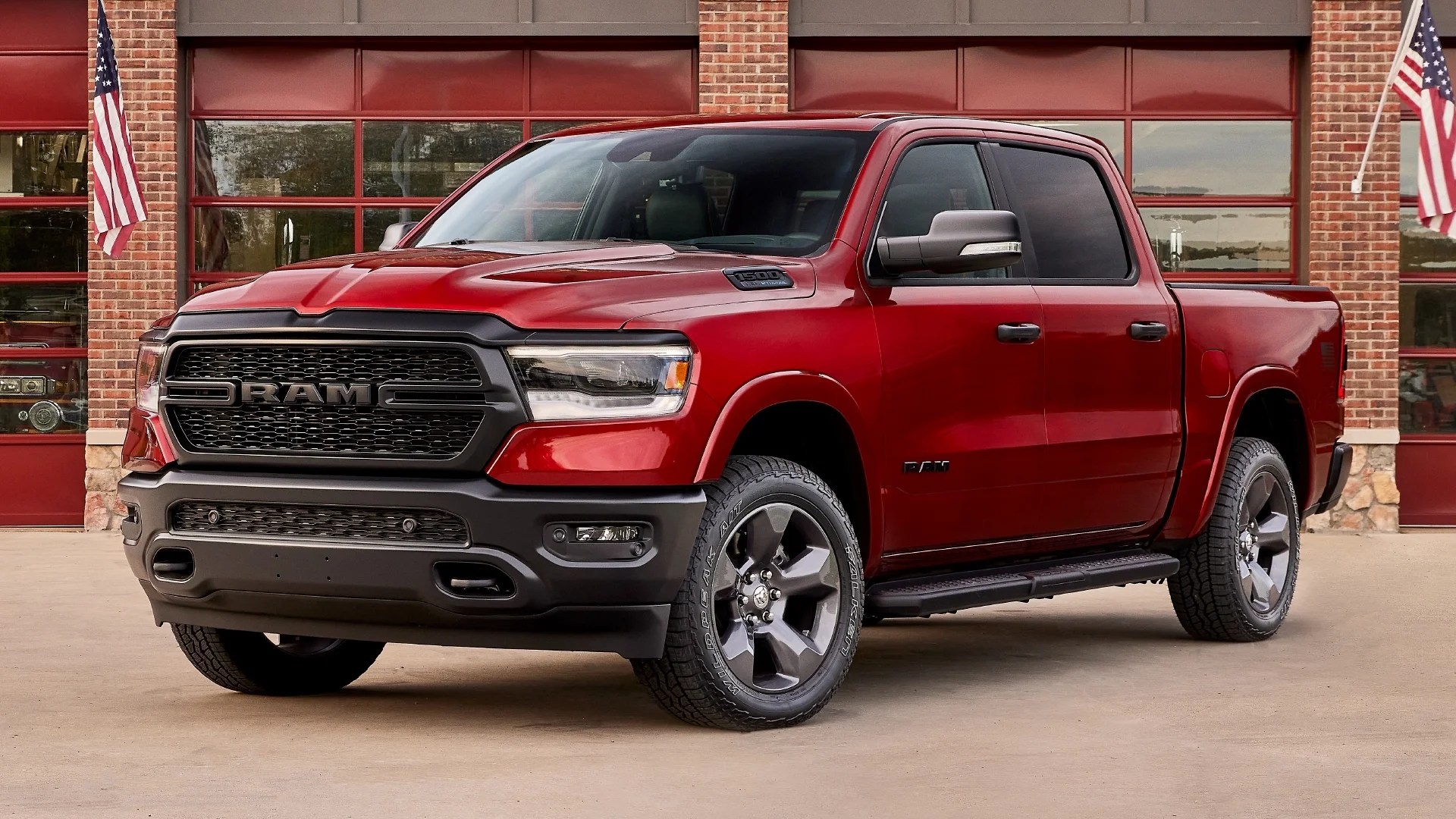
A diesel pickup can feel fine on Monday and still light up the dash by Friday. When the EcoDiesel emissions system sets a check engine light, the cause is often not one broken part acting alone. It may be a weak NOx reading, poor DEF delivery, soot load, EGR cooler trouble, or software that needs the right update history. The smart move is to read the code, confirm the pattern, and check warranty or recall records before buying sensors.
That matters for U.S. owners because the Ram 1500 EcoDiesel lives in a hard middle ground. It is a work truck, commuter, tow rig, and family hauler all at once. A driver in Ohio may use it for short winter errands. A contractor in Texas may idle it for hours. A weekend owner in Colorado may tow at altitude, then park for a week. Each pattern can affect the diesel aftertreatment hardware. For broader repair and ownership context, practical vehicle ownership guides can help you think beyond the warning light and look at cost, timing, and resale risk.
Why the EcoDiesel emissions system Turns a Warning Light Into a Repair Plan
The light is not the repair. It is the truck asking for a proper conversation. On the 3.0-liter EcoDiesel, emissions parts do not sit off to the side like simple add-ons. They shape fuel control, exhaust temperature, soot burn-off, DEF dosing, and how the engine computer decides the truck is safe to keep driving. That is why a dash light on this truck deserves more than a quick parts-store scan and a cleared code. Treat the scan as the opening page, not the ending.
Common Codes Are Clues, Not Verdicts
A code reader may show a NOx code, a DEF message, or a particulate filter code, and it is tempting to buy the part named on the screen. That can get expensive fast. A downstream NOx code might point to a sensor, but it can also show up when DEF quality is poor, the SCR catalyst is not reacting as expected, or exhaust temperature never reaches the window the computer wants.
That is why the first repair step should be boring: record the code, freeze-frame data, mileage, fuel level, DEF level, recent repairs, and the exact message on the cluster. A 2016 owner who sees a P20EE-style catalyst efficiency code after a long highway run is in a different spot than a 2018 owner who gets a DEF countdown after weeks of short trips. One truck may need testing around SCR performance; the other may need a closer look at fluid quality, tank hardware, and start-limit logic. A careful shop will not treat both owners as if they brought in the same truck.
The non-obvious part is that a truck running “fine” may still be out of range. Diesel emissions logic watches chemistry, not your seat-of-the-pants feel. Power can feel normal while the tailpipe math fails. That gap frustrates owners because the truck may tow, idle, and cruise without drama, yet still fail the monitor that controls the warning light.
Why NOx sensor failure Can Feel Like a Bigger Truck Problem
NOx sensor failure gets blamed for many Ram diesel warning lights because those sensors sit at a busy point in the exhaust story. They help the truck judge whether DEF is reducing nitrogen oxides after combustion. When a sensor reports nonsense, the computer may trim power, block certain burn-off events, or keep bringing the light back after a reset.
Still, a sensor is not a magic eraser. A replacement can fail to solve the issue if wiring is damaged, exhaust leaks are present, or the truck has old software. That is the repair trap: one part looks guilty because it is the loudest witness. A corroded connector near the exhaust can create the same owner experience as a dead sensor, even though the invoice should look different.
A useful example is a pickup that shows a NOx code after a long tow through Tennessee hills. The sensor may be tired, but heavy load also means higher exhaust heat, more soot movement, and more pressure on the SCR system. A shop that checks only the code may miss the story the trip created. The better path is to prove the sensor reading against temperature, load, and downstream response before the truck leaves the bay. That extra testing may feel slow, but it is usually faster than paying for the wrong fix and coming back angry.
DEF, DPF, and EGR Parts All Talk to One Another
Once the first code is written down, the next step is to stop treating the aftertreatment setup as separate boxes. DEF, DPF, SCR, EGR, sensors, and engine software share the same report card. A weak area in one place can make another area look guilty. That is why some owners pay for the same repair twice. The truck does not care which part has the easiest name to remember; it cares whether the whole chain meets its target. This is the reason a cheap scan can be useful yet still leave the owner with a weak repair plan.
How a DEF system fault Starts Small
A DEF system fault can begin with something as small as old fluid, a weak pump, a stuck injector, or a concentration sensor reading that falls outside the range the computer expects. DEF is not fuel. It freezes, thaws, ages, and crystallizes around fittings when it dries. In a truck that sits for long stretches, the fluid may become part of the problem before the tank is empty.
The driver usually sees the drama late. First comes a check engine light. Then a service DEF message may appear. In some cases, the truck starts warning about limited restarts or reduced speed. By that point, the fault is no longer a minor annoyance; it is a calendar problem because you need a shop slot before the countdown ruins your week. That is hard on owners who use the truck for work because downtime costs money before the repair even starts.
Here is the counterintuitive piece: topping off DEF can hide the clue. If the fluid was contaminated, old, or the wrong type, adding more may dilute the evidence without fixing the reading. A better plan is to test quality, check for crystals, confirm pump pressure, and inspect the injector pattern. If the tank was filled from an old jug in the garage, tell the shop. That small detail may save an hour of guesswork. Shops see enough mystery faults that the quiet habits around storage, fill-ups, and parking can matter as much as the code itself.
Why DPF regeneration Trouble Shows Up After Normal Driving
DPF regeneration is the soot burn-off process that keeps the diesel particulate filter from loading up. The truck needs enough exhaust heat and enough time to complete the burn. Highway miles help. Repeated cold starts do not. That means the same pickup can be happy on a 40-mile commute and cranky during a month of school runs. The driver did not abuse the truck; the use pattern starved the filter of heat.
Owners often miss the early signs. Fuel economy drops. The idle changes. The cooling fan may run after shutdown. The truck may smell hotter than usual. None of that proves disaster, but it suggests the filter and the engine computer are working harder than they should. When the light finally appears, the system may have been trying to correct itself for days.
A driver in suburban Chicago might blame winter diesel or traffic. Both can play a role, but the deeper issue is heat rhythm. If the truck starts a burn and gets shut off ten minutes later, the cycle may not finish. Do that often enough, and the dash light becomes the truck’s way of asking for a full drive cycle or a proper scan. Short use is not gentle use when soot has nowhere to go. For many owners, the cure is not one heroic highway blast; it is a steadier pattern that lets the truck finish what it starts.
The Driving Habits That Wake Up Diesel Warning Lights
Hardware matters, but habits shape the outcome. Two Ram 1500 EcoDiesel trucks with the same mileage can age in different ways because one sees long steady drives and the other lives on five-minute errands. The hard part is that the second owner may feel more careful. Less towing, less speed, less stress. Yet the truck may disagree. Diesel trucks like rhythm, and broken rhythm can create problems that look like random failures. That is why the same warning light can mean different things for a ranch truck, a city commuter, and a family tow rig.
Short Trips Can Be Harder Than Highway Miles
A diesel engine likes heat. Short trips rob it of heat, then ask the aftertreatment system to stay clean anyway. That mismatch can trigger DPF regeneration delays, moisture in the exhaust, and sensor readings that drift because the system never settles into its full operating range.
Think about a Ram owner in New Jersey who drives three miles to work, stops for coffee, then drives home in traffic. The truck may never stay hot long enough to complete the work it started. After a few weeks, the check engine light appears, and the owner feels blindsided because the truck was never worked hard. The mistake is reading low mileage as low strain. A truck can have fewer miles than its age suggests and still have a hard life if those miles came in cold, slow pieces.
The mild surprise is that a calm driving life is not always a clean driving life. Long, steady heat can be easier on diesel aftertreatment than constant soft use. That does not mean you should beat on the truck. It means the truck needs regular time at operating temperature. A 25-minute uninterrupted drive can reveal whether the problem is a use pattern, a pending fault, or a system that cannot complete its own clean-up.
Towing, Heat, and Idle Time Change the Pattern
Heavy towing creates the opposite problem. The truck gets plenty hot, but the load raises exhaust volume, turbo activity, and soot movement. Add summer heat in Arizona or a slow climb in the Rockies, and the emissions hardware has to keep pace while the engine is making real torque. A light that appears only after towing may be telling a different story than one that appears every cold start.
Idle time adds another wrinkle. A contractor who leaves the truck running at a jobsite may think idle hours are easier than miles. For the engine block, maybe. For the aftertreatment system, not always. Low exhaust flow and long idle periods can create soot without the same clean-out rhythm a highway drive gives you. Long idle also makes hour count matter, even when the odometer looks friendly. Fleet buyers know this already; private owners often learn it after the first strange light.
A good owner habit is to track when the light appears. After towing? After fuel? After DEF fill? After cold weather? After weeks of short trips? Those details turn a vague complaint into a repair path. Keep notes in your phone and pair them with a diesel truck maintenance checklist so the same clues do not get lost at each shop visit. The note may feel small in the moment, but it can keep the next invoice from becoming a guess.
How to Diagnose the Light Without Throwing Parts at It
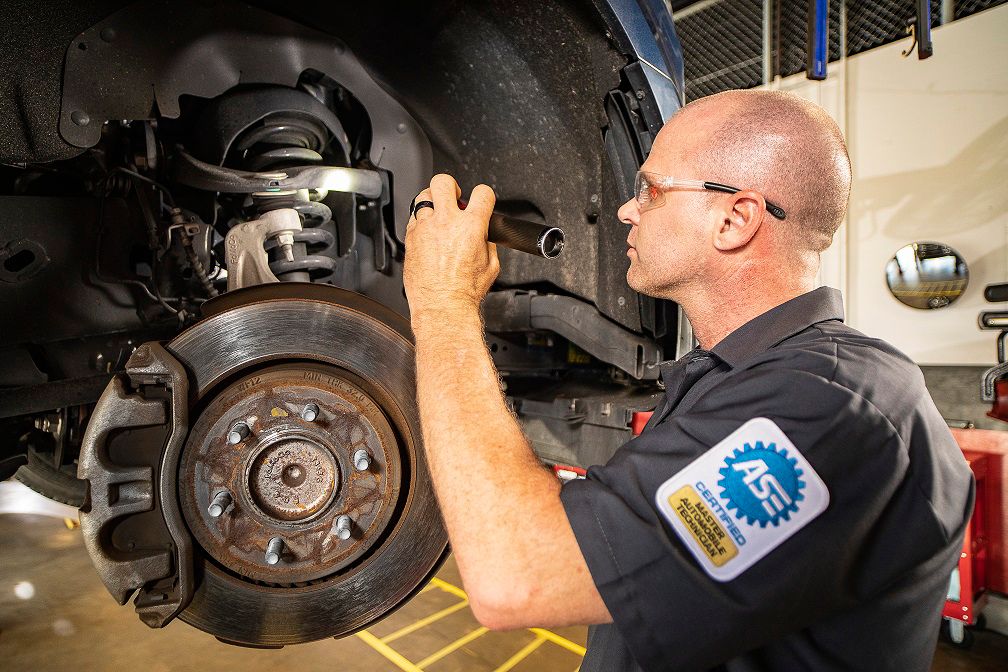
By this point, the lesson is clear: parts swapping is the expensive path. Diagnosis wins because the truck’s computer may be telling the truth in a crooked way. The named part may be affected, not failed. The best shops know this. They test the system before they sell the sensor. A fair diagnosis takes longer at the counter, but it usually costs less than replacing the same category of part again. A good technician will want the full pattern, not a one-line complaint.
Start With Warranty, Recall, and Software Records
Paperwork comes before parts. That sounds dull, but it can save a Ram owner hundreds or thousands of dollars. The EPA-approved emissions repair for certain 2014–2016 Ram 1500 and Jeep Grand Cherokee EcoDiesel models was a software update called an Approved Emissions Modification, and Mopar says eligible vehicles that received it got extended warranty coverage for affected parts. The public settlement language also says covered OBD diagnostic scans apply when an OBD malfunction indicator light is triggered. An owner should confirm this through the VIN, dealer records, and the official EPA FCA EcoDiesel information page.
Recall history matters too. The 2014–2019 Ram 1500 EcoDiesel has had official safety attention around EGR cooler cracking, and some diesel models also had high-pressure fuel pump recall coverage. Those items are not the same as a DEF code, but they affect how a shop should read the truck’s history. A coolant loss pattern, soot issue, or prior repair can change the whole diagnosis. This is where an owner with records has an edge over an owner with memory. A folder of dealer visits, software updates, and prior parts can change whether the next repair is covered, repeated, or challenged.
The unexpected repair move is to ask for software level confirmation. A sensor installed on outdated calibration can create a comeback visit. That is not because the sensor was bad. It is because the truck and the new part were not speaking from the same playbook. On a modern diesel, the scan tool is not an accessory to the wrench. It is part of the wrench.
Build a Repair Order That Protects Your Wallet
A strong repair order should list the exact code, test results, and reason for each part. “Replace NOx sensor” is thin. “Verified upstream NOx sensor reading stuck at X value after warm-up, inspected harness, checked exhaust leaks, confirmed current calibration, cleared code, road-tested through monitor” is better. That paper trail matters if the light returns.
Ask the shop to separate diagnosis from repair. Pay for the first hour if needed, but get the findings in writing. If DEF quality was tested, ask for the result. If DPF soot load was checked, ask whether the burn cycle completed. If the EGR cooler was inspected, ask what clue led there. You are not being difficult. You are making the next step cleaner. Good technicians tend to respect owners who ask for test results instead of arguing from guesses.
For buyers, this is where a used truck inspection guide pays for itself. A used EcoDiesel with a recently cleared light, fresh DEF tank, and no repair history deserves caution. A truck with documented emissions repairs, current software, and clean drive-cycle results may be a better bet than one that only looks tidy on the lot. The cheapest truck can become the costly one if the dash has been kept quiet instead of fixed. A clean cluster during a test drive is nice; a clean readiness report is better.
Conclusion
A check engine light on a Ram diesel should not send you straight into panic or denial. Treat it like a trail marker. The code points somewhere, but the route still needs proof, history, and a technician who understands how diesel aftertreatment behaves in real driving.
The EcoDiesel emissions system is not a reason to write off the truck, but it does demand a smarter ownership style than a gas pickup. Record the message, avoid random resets, check VIN-based warranty history, and match the repair to the way the truck is driven. A sensor can fail. DEF can age. Soot can build. Software can matter. The fix may be simple, but the thinking should not be thin.
The owner who wins is not the one who ignores every light or replaces every part. It is the one who slows down long enough to diagnose the pattern. Do that, and the truck becomes easier to trust, easier to repair, and easier to judge when it is time to keep it or sell it.
Frequently Asked Questions
What causes a Ram 1500 EcoDiesel check engine light?
Common causes include NOx sensor failure, DEF delivery trouble, DPF soot load, EGR issues, exhaust leaks, wiring faults, and software history. The code matters, but so do driving habits and prior repairs. A scan without context can point you in the wrong direction.
Can I drive with a DEF system fault showing?
You may be able to drive for a short time, but do not ignore it. Some faults can lead to restart limits, reduced speed, or repeated warnings. Check DEF quality, tank level, pump function, and codes before the message becomes a schedule problem.
How much does NOx sensor failure cost to fix?
Cost depends on model year, sensor location, labor rate, and warranty status. Many repairs can run several hundred dollars or more at U.S. shops. Before approving the work, ask the shop to inspect wiring, exhaust leaks, software level, and related codes.
Why does DPF regeneration keep failing on short trips?
The filter needs heat and time to burn soot. Short errands can interrupt the cycle before it finishes. Repeated cold starts, traffic, and idle time make it harder. A longer steady drive may help, but a loaded filter needs scan data before guessing.
Is the EcoDiesel emissions warranty still useful?
It can be, depending on model year, mileage, AEM status, and repair history. Some eligible trucks received extended coverage after the Approved Emissions Modification. Check the VIN through official owner resources or a Ram dealer before paying out of pocket.
Will deleting emissions equipment fix the problem?
It may seem cheaper, but it can create legal, inspection, resale, and drivability risks in the U.S. Many states check emissions readiness. A deleted truck can also be harder to sell or register. Legal diagnosis is the safer repair path.
What should I ask the mechanic before replacing parts?
Ask for the exact codes, freeze-frame data, DEF quality result, soot load reading, software level, wiring inspection, and road-test outcome. A good shop can explain why a part failed the test. A weak answer often means they are guessing.
Should I buy a used Ram 1500 EcoDiesel with past emissions repairs?
Yes, if the records are complete and the truck now passes readiness checks. Past repairs are not always bad. Missing records, recently cleared codes, repeated warning lights, or vague dealer notes are bigger concerns than a documented sensor or software repair.