
 Michael Caine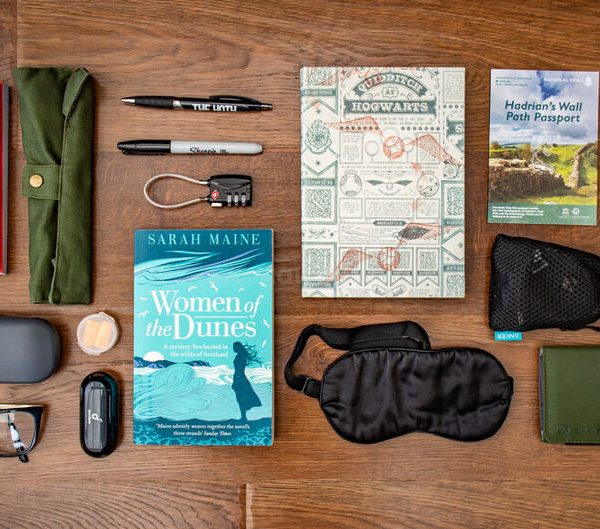
A long drive can fall apart before the engine even warms up. The missed charger, the half-empty tire, the forgotten medication, the vague fuel plan—small gaps have a way of becoming loud problems once you are already miles from home. A good road trip checklist gives you a calmer start because it pulls those loose details out of your head and puts them where you can act on them. That matters even more when several people, stops, bags, weather changes, and timing pressures are involved. Good travel preparation habits do not make a trip stiff or over-planned; they protect the freedom you wanted from the trip in the first place. The best drivers are not the ones who improvise everything. They are the ones who remove the silly risks early, then leave room for the parts of travel that should stay open: the detour, the roadside meal, the view you did not expect, and the easy feeling that comes when nothing basic has been left behind.
Start With the Trip, Not the Stuff
Most people begin by asking what they need to pack, but that is the wrong first move. The shape of the drive should decide the list, because a three-hour highway run, a mountain route, and a family trip across state lines create different kinds of pressure. Good trip preparation starts with the road itself, not the pile of items near the door.
Match Your List to the Distance and Route
A short drive can tempt you into careless thinking. You assume every missing item can be replaced along the way, every delay can be absorbed, and every warning light can wait until Monday. That logic works until the route runs through long gaps between fuel stations or the weather turns while you are still far from help.
Longer routes demand a wider view. You need to think about fuel range, rest stops, road conditions, tolls, phone signal, and the comfort level of everyone in the car. A smart list for a remote drive may include printed directions, extra water, warm layers, cash, and a backup power bank. A city-to-city drive may need parking details, entry times, and a better plan for traffic windows.
The counterintuitive part is that distance alone does not decide risk. A two-hour drive through bad weather can punish poor departure planning more than a six-hour drive on dry roads. The question is not “How far are we going?” The better question is “Where could this trip become annoying if we assume too much?”
Build Around People, Not Perfect Conditions
Every passenger changes the list. A solo driver may need fewer comfort items but more fatigue planning. A family with children needs snacks, spare clothes, entertainment, medicine, and realistic breaks. Older passengers may need easier access to water, support cushions, or medication kept inside the cabin instead of buried in the trunk.
Trip preparation becomes stronger when you plan for actual habits instead of ideal behavior. Someone will get hungry earlier than expected. Someone will need a bathroom ten minutes after the last stop. Someone will forget where they packed their glasses. These are not failures; they are normal human patterns that deserve space in the plan.
A useful approach is to divide needs into driver, passenger, vehicle, and route categories. That keeps you from building a list that looks complete but ignores the people inside the car. A tidy trunk means little if the child’s motion sickness tablets are sealed inside a suitcase under three bags.
Handle the Car Before You Handle the Bags
Packing feels productive because it is visible. You can fold clothes, zip bags, and feel as if the trip is coming together. The car, though, carries the real responsibility. If it is not ready, the neatest travel packing list in the world will not save the day.
Vehicle Safety Checks That Deserve First Place
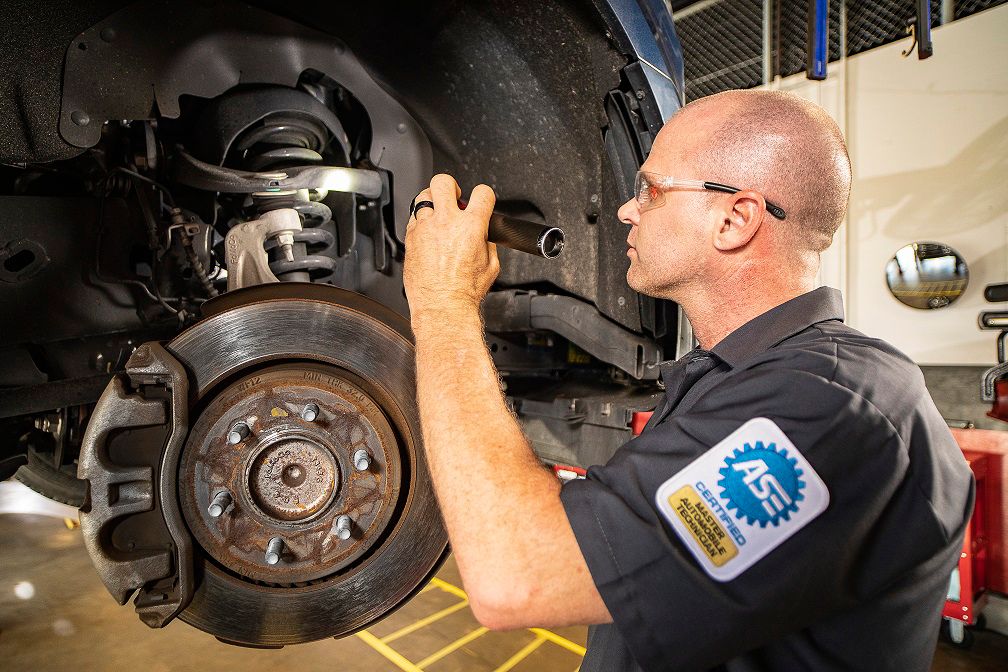
Vehicle safety checks should happen before the final packing rush because last-minute discoveries create bad choices. Tire pressure, tread condition, oil level, coolant, brake fluid, lights, wipers, and windshield washer fluid are not exciting, but they decide whether the drive begins with confidence or quiet worry. A soft tire does not care that the hotel check-in window is tight.
The best time to inspect the car is the day before departure, not ten minutes before leaving. That gives you room to inflate tires, replace wiper blades, top up fluids, or deal with a warning light without turning the driveway into a panic zone. Small fixes feel minor at home. On the shoulder of a busy road, they feel much larger.
Drivers often focus on breakdowns, but comfort problems matter too. Weak air conditioning, poor visibility, squeaky brakes, or a cluttered cabin can wear you down over hours. A car does not need to be perfect, but it should not ask you to tolerate known irritations while you are trying to stay alert.
Prepare for the Problems You Hope Never Happen
Emergency gear can feel excessive until the moment it is needed. A flashlight, jumper cables or a jump starter, tire inflator, basic first aid kit, reflective triangle, blanket, gloves, and drinking water can turn a bad stop into a controlled pause. The goal is not to become a roadside mechanic. The goal is to buy time and safety.
Vehicle safety checks should also include access. Emergency items buried under luggage may as well be at home. Keep the most useful gear where you can reach it without unpacking the whole car. A small roadside bag behind the front seat or near the trunk opening often works better than one large box hidden under everything else.
One overlooked move is testing what you already own. A dead flashlight, missing jack handle, expired first aid supplies, or empty tire inflator gives false comfort. Real readiness is boring in the best way. You check it, you place it, and then you hope the trip never asks for it.
Pack for Access, Not Volume
Most packing mistakes do not come from leaving things behind. They come from packing the right things in the wrong places. Once the car is moving, access matters more than total inventory. The best travel packing list separates what you need during the drive from what you need after arrival.
Keep the Cabin Clean but Useful
A clean cabin lowers stress, but an empty cabin can create its own problems. You need a few items within reach: water, snacks, tissues, charging cables, sunglasses, hand sanitizer, medication, a trash bag, and any documents required for the route. The trick is to give those items a home so they do not roll around like loose coins in a drawer.
Good departure planning treats the front seats like a working space. The driver should not need to search through bags, open wrappers, or reach behind the seat while moving. Passengers can help, but the layout should still make sense if the driver is alone for a stretch or everyone else falls asleep.
A small cabin pouch often beats a large overstuffed bag. Put drive-use items in one place and arrival-use items somewhere else. That single choice prevents the classic roadside scene where someone pulls half the trunk apart to find one charging cable.
Separate Must-Haves From Nice-to-Haves
A travel packing list becomes weaker when everything feels equally necessary. Some items protect health, safety, money, or access. Others improve comfort. Both matter, but they do not belong in the same mental category. Medication, IDs, keys, chargers, payment cards, glasses, and documents should sit above spare shoes or extra outfits.
The smartest packers make a small “do not bury” group. These are items you might need before reaching the hotel, campsite, rental home, or family house. That group may include rain jackets, snacks, baby supplies, pet items, toll cash, parking confirmation, and a change of clothes. Once that group is clear, the rest of the luggage can be packed for space.
The unexpected insight is that packing less can make you better prepared. Too much gear slows every stop and hides what matters. A lean car with smart placement beats a packed car full of guesses, because the right item found in ten seconds is worth more than five backup items you cannot reach.
Make Departure Feel Calm, Not Rushed
The final hour before leaving sets the tone for the whole drive. A messy exit leaves people tense before the trip begins, and that tension follows you into traffic, fuel stops, and small disagreements. Calm does not happen by accident. It comes from making the last steps simple enough that nobody has to think too hard.
Use Departure Planning to Remove Last-Minute Friction
Departure planning should begin the night before with the tasks most likely to cause delay. Charge devices, download maps, confirm bookings, check the weather, set out clothes, gather documents, and place packed bags near the exit. Morning energy is better spent leaving, not solving problems that were visible twelve hours earlier.
A good departure rhythm also protects the driver. Sleep, breakfast, hydration, and a clear first stop matter more than people admit. Starting tired and underfed is a poor trade, even if it gets you on the road earlier. Speed at the beginning can cost you patience later.
Families and groups benefit from assigning roles. One person handles doors and windows, another checks chargers and documents, another manages snacks and water, and the driver does the final vehicle scan. Shared responsibility prevents the whole trip from depending on one overloaded person barking reminders from the driveway.
Turn the Final Check Into a Habit
The last check should be short enough to repeat without resistance. Doors locked. Stove off. Wallet, phone, keys, medication, documents. Tires look right. Fuel plan clear. First stop chosen. Everyone has what they need for the first stretch. That is not a ceremony; it is a reset button before the road takes over.
A printed or phone-based list helps because memory gets noisy under time pressure. People remember odd things and forget obvious ones. They will pack a camera lens but leave sunglasses on the counter. They will remember snacks but forget the child’s jacket. A list does not insult your memory. It protects it from the chaos of leaving.
The strongest habit is reviewing the list after each trip. Remove what you never used, add what you wished you had, and adjust for season, route, and passengers. Over time, the list becomes personal. It stops being a generic travel tool and starts sounding like your own experience written down.
Conclusion
A smooth departure is not about controlling every mile. It is about removing the avoidable mess before the miles begin. When you check the vehicle early, pack by access, plan around real people, and give the final hour a calm rhythm, the trip starts with a different kind of confidence. You are no longer hoping you remembered enough. You know what has been handled.
A practical road trip checklist works because it respects how travel actually feels. People rush, weather shifts, phones die, children get restless, and drivers get tired. The list does not erase those things, but it gives you a steadier base when they show up. Before your next drive, build one list that fits your route, your passengers, and your car, then keep it where you can reuse it. The road rewards the people who prepare early and leave with a clear head.
Frequently Asked Questions
What should I include in a pre-departure driving checklist?
Include vehicle fluids, tire pressure, lights, wipers, emergency gear, route details, documents, chargers, medication, snacks, and water. Keep drive-use items separate from luggage so they stay easy to reach during stops or unexpected delays.
How early should I prepare for a long road trip?
Start one or two days before leaving. That gives you time to inspect the car, charge devices, confirm bookings, download maps, buy supplies, and fix small issues without rushing on departure morning.
Why are vehicle safety checks needed before a road journey?
They catch problems while you still have choices. Low tire pressure, weak wipers, bad lights, or low fluids can create stress or danger once you are already on the road, especially far from service stations.
What is the best way to organize a travel packing list?
Group items by use: cabin access, overnight luggage, emergency gear, documents, food, and passenger needs. This method makes packing faster and prevents key items from being buried under bags.
How can departure planning reduce travel stress?
It moves key decisions out of the final hour. When devices are charged, bags are staged, stops are planned, and documents are ready, the morning feels calmer and the driver starts with better focus.
What emergency items should every car carry for a trip?
Carry a flashlight, first aid kit, jumper cables or jump starter, tire inflator, reflective warning marker, blanket, gloves, water, and basic tools. Keep them accessible rather than buried under luggage.
How do I prepare my car for a family road trip?
Check tires, fluids, brakes, lights, wipers, and fuel range first. Then prepare passenger needs such as snacks, wipes, entertainment, medication, spare clothes, and easy-access bags for children or older travelers.
What should I check last before leaving home?
Check keys, wallet, phone, chargers, medication, documents, locked doors, appliances, fuel level, tire condition, and the first route stop. A short final scan prevents the most common and frustrating mistakes.