
 Michael Caine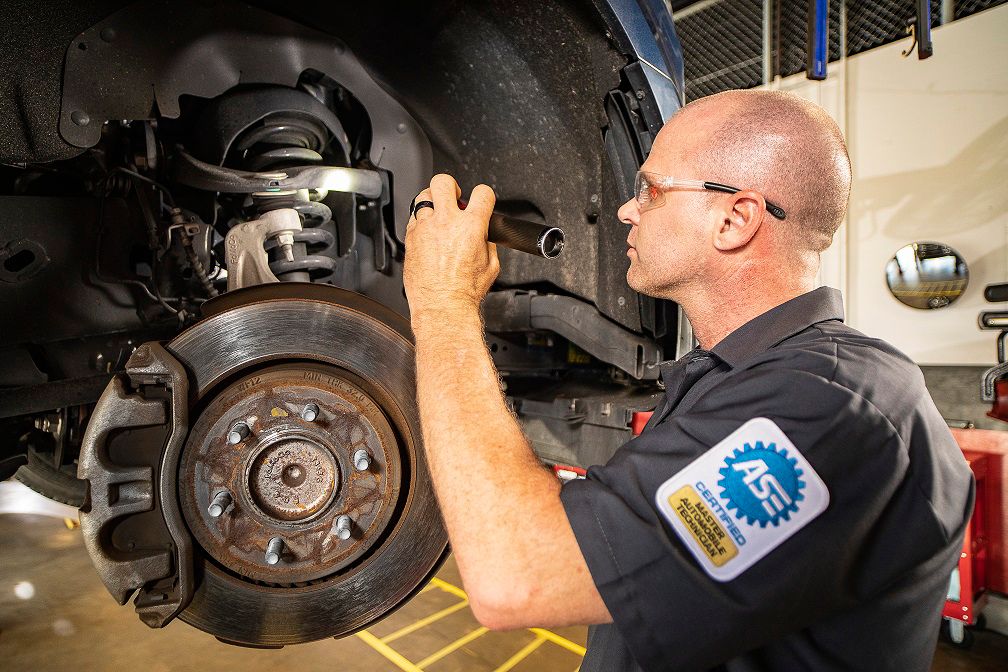
Safe driving depends on many vehicle systems working together, but none is more important than the brakes. Every stop at an intersection, every descent down a steep hill, and every emergency maneuver relies on a braking system that performs consistently. Regular brake repair is essential for maintaining dependable stopping power, preventing costly mechanical failures, and protecting everyone on the road. Understanding how brakes wear, recognizing warning signs, and scheduling timely inspections can make a significant difference in both vehicle performance and long-term ownership costs. Shade Tree Auto understands the importance of dependable brake maintenance in helping drivers stay safe and confident behind the wheel.
Why Brake Repair Should Never Be Delayed
Modern braking systems are engineered to withstand thousands of miles of use, but every stop creates friction that gradually wears down essential components. Brake pads become thinner, rotors develop uneven surfaces, brake fluid absorbs moisture, and hardware experiences normal wear over time.
Ignoring these natural changes allows small issues to develop into larger mechanical problems. A simple brake pad replacement can eventually become a complete rotor replacement if maintenance is postponed for too long. Routine inspections help identify wear before it affects safety or leads to expensive repairs.
Reliable brakes provide confidence in every driving condition, whether navigating heavy city traffic, traveling on highways, or driving through wet weather.
Understanding How a Vehicle’s Braking System Works
A braking system contains several parts that must operate together to deliver smooth, controlled stopping.
These components include:
- Brake pads
- Brake rotors
- Brake calipers
- Brake fluid
- Brake lines
- Master cylinder
- Anti-lock braking system (ABS)
When the brake pedal is pressed, hydraulic pressure transfers force through brake fluid to the calipers. The calipers squeeze the brake pads against the rotors, creating friction that slows and stops the vehicle.
Even minor wear in one component can reduce the efficiency of the entire system.
Common Warning Signs That Indicate Brake Repair Is Needed
Many braking issues begin with subtle symptoms before becoming serious safety concerns. Paying attention to these early warning signs allows problems to be corrected before additional damage occurs.
Unusual Noises
Squealing often indicates worn brake pads. Grinding sounds usually suggest that the brake pads have worn completely, allowing metal components to contact the rotor.
Soft or Spongy Brake Pedal
A brake pedal that feels unusually soft may indicate air in the hydraulic system, deteriorated brake fluid, or a fluid leak.
Vehicle Pulling During Braking
If the vehicle pulls toward one side while braking, uneven brake pad wear, a sticking caliper, or hydraulic imbalance may be responsible.
Vibrations While Braking
A vibrating steering wheel or brake pedal frequently points to warped brake rotors caused by excessive heat or uneven wear.
Increased Stopping Distance
Needing more distance to stop than usual is one of the clearest indicators that immediate brake inspection is necessary.
Dashboard Warning Lights
Modern vehicles monitor braking systems electronically. A brake warning light or ABS warning light should never be ignored.
Factors That Cause Brake Components to Wear Faster
Brake life varies depending on several driving conditions and habits.
Common factors include:
- Frequent stop-and-go traffic
- Aggressive braking
- Carrying heavy loads
- Driving in mountainous terrain
- Towing trailers
- Poor road conditions
- Low-quality replacement parts
Drivers who frequently travel through busy urban areas generally replace brake pads sooner than those who primarily drive on open highways.
The Benefits of Routine Brake Inspections
Preventive maintenance remains one of the most effective ways to avoid unexpected repairs.
Routine brake inspections help:
- Identify worn brake pads early
- Detect rotor damage before replacement becomes necessary
- Check brake fluid condition
- Inspect brake hoses and hydraulic lines
- Evaluate caliper performance
- Verify ABS operation
- Improve overall driving safety
Small maintenance appointments often prevent larger mechanical failures that require significantly higher repair costs.
Why Brake Fluid Is Often Overlooked
Brake fluid plays a vital role in transferring hydraulic pressure throughout the braking system.
Over time, brake fluid absorbs moisture from the atmosphere. Excess moisture lowers the fluid’s boiling point and can reduce braking performance during repeated or heavy braking.
Old brake fluid may also contribute to corrosion inside hydraulic components.
Replacing brake fluid according to manufacturer recommendations helps maintain reliable braking performance and extends the life of important system components.
Driving Habits That Help Extend Brake Life
Certain driving techniques reduce unnecessary brake wear and improve vehicle longevity.
Helpful habits include:
- Maintain a safe following distance.
- Coast toward stops whenever possible.
- Avoid sudden hard braking.
- Reduce speed gradually.
- Remove unnecessary weight from the vehicle.
- Use lower gears when descending steep hills.
- Schedule routine maintenance.
These simple habits reduce stress on brake components while improving overall driving efficiency.
Why Professional Brake Service Matters
Although visual inspections can reveal obvious wear, professional technicians evaluate the complete braking system using specialized equipment.
A comprehensive inspection typically includes:
- Measuring brake pad thickness
- Checking rotor condition
- Testing hydraulic pressure
- Inspecting brake lines
- Examining calipers
- Evaluating brake fluid quality
- Verifying electronic braking systems
Accurate diagnosis prevents unnecessary part replacement while ensuring every component operates safely.
Brake Repair Supports Overall Vehicle Performance
The braking system directly affects multiple aspects of vehicle operation.
Properly maintained brakes contribute to:
- Better stopping control
- Improved handling
- Consistent pedal response
- Reduced tire wear
- Greater suspension stability
- Enhanced driver confidence
When every braking component functions correctly, the entire driving experience becomes smoother and more predictable.
Seasonal Conditions Affect Brake Performance
Changing weather creates different demands on braking systems throughout the year.
Rain reduces tire traction and increases stopping distance.
Cold temperatures may affect brake fluid performance and component flexibility.
High summer temperatures generate additional heat that accelerates brake wear, particularly during long trips or mountainous driving.
Routine inspections before seasonal weather changes help ensure dependable braking performance throughout the year.
Choosing Quality Replacement Parts
Not all replacement brake components provide the same level of performance or durability.
High-quality brake pads, rotors, and hardware are manufactured to meet or exceed original equipment specifications. Better materials often produce quieter braking, more consistent stopping power, and longer service life.
Selecting quality parts also reduces the likelihood of premature wear and repeat repairs.
Building a Preventive Maintenance Schedule
Following a consistent maintenance schedule reduces the likelihood of unexpected brake problems.
A typical maintenance routine may include:
- Brake inspection during regular service visits
- Brake fluid inspection
- Rotor measurements
- Brake pad evaluation
- Hardware lubrication when appropriate
- Complete system testing
Following manufacturer recommendations provides the best balance between performance, safety, and long-term value.
Why Experience Matters During Brake Service
Brake systems continue to evolve with advanced safety technologies, including electronic stability control, adaptive braking systems, and sophisticated ABS features.
Experienced technicians understand how these technologies interact with traditional brake components. Proper diagnostic procedures ensure repairs address the root cause rather than only the visible symptoms.
Accurate workmanship also helps maintain manufacturer safety standards.
Conclusion
Every journey depends on a braking system that performs consistently under changing road and weather conditions. Scheduling brake repair before minor wear develops into significant damage protects vehicle safety, improves stopping performance, and reduces long-term maintenance costs. Regular inspections, quality replacement parts, and proper maintenance habits all contribute to dependable braking throughout the life of a vehicle. For drivers seeking trusted automotive care, Shade Tree Auto delivers professional brake services that help keep vehicles safe, reliable, and ready for every mile ahead.