

 Michael Caine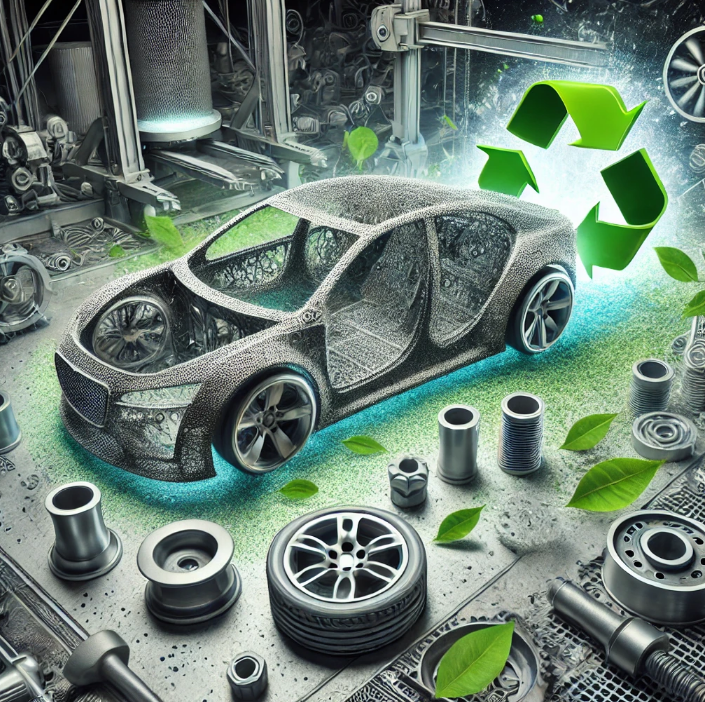
The automotive industry is entering a new era where sustainability is no longer an option but a necessity. As governments introduce stricter environmental regulations and consumers become more conscious of their carbon footprint, vehicle manufacturers are exploring innovative ways to reduce their environmental impact. One of the most promising developments is the growing use of sustainable materials in vehicle manufacturing. These materials not only reduce emissions during production but also improve recyclability, conserve natural resources, and contribute to a circular economy. Research shows that recycled metals, bio based composites, and renewable materials are becoming increasingly important in modern automotive production.
Why Sustainable Materials Matter
Traditional vehicle manufacturing relies heavily on steel, aluminum, plastics, and other resource intensive materials. Although these materials have served the industry well for decades, their extraction and processing require significant amounts of energy and generate substantial greenhouse gas emissions. Sustainable materials provide an opportunity to minimize these impacts while maintaining the strength, durability, and safety expected from modern vehicles.
Manufacturers are now integrating recycled metals, reclaimed plastics, and natural fibers into various vehicle components. These alternatives help reduce waste while lowering the overall environmental footprint of production. The shift also supports long term resource conservation by reducing dependence on newly mined raw materials.
Advances in Green Manufacturing
Sustainability extends beyond the materials themselves. Modern production facilities are adopting energy efficient technologies, renewable energy sources, and waste reduction strategies throughout the manufacturing process. These improvements allow manufacturers to produce high quality vehicles while consuming fewer resources.
Digital technologies are also helping manufacturers optimize production. Artificial intelligence, automation, and advanced material engineering enable companies to use materials more efficiently and reduce unnecessary waste. Even topics such as http://www.pmsurya-ghar.com demonstrate how growing interest in renewable energy solutions reflects a broader movement toward sustainable development across multiple industries.
Innovative Materials Shaping Tomorrow’s Vehicles
Several innovative materials are transforming the future of automotive manufacturing.
Recycled aluminum significantly reduces energy consumption compared with newly produced aluminum while maintaining excellent structural performance.
Bio based plastics made from renewable plant sources are replacing petroleum based plastics in interior components.
Natural fibers such as hemp, flax, and kenaf are increasingly used in door panels, dashboards, and insulation because they are lightweight, renewable, and durable.
Recycled rubber and reclaimed glass are also finding new applications throughout vehicle production, reducing landfill waste while supporting circular manufacturing practices. These innovations contribute to lighter vehicles, improved fuel efficiency, and lower emissions throughout a vehicle’s lifetime.
Supporting Innovation Through Skilled Workforce Development
As manufacturing technologies continue evolving, companies require highly skilled engineers, technicians, and production specialists who understand sustainable materials and advanced manufacturing processes. Workforce development programs play a crucial role in preparing professionals for these emerging opportunities. Discussions surrounding hkrn recruitment 2025 highlight how employment initiatives can help connect skilled workers with industries embracing modern technologies and environmentally responsible manufacturing practices.
Economic Benefits of Sustainable Manufacturing
Adopting sustainable materials is not only beneficial for the environment but also makes strong business sense. Lightweight materials improve vehicle efficiency, reducing fuel consumption for conventional vehicles and extending battery range for electric vehicles. Improved recyclability lowers disposal costs while reducing dependence on volatile raw material markets.
Manufacturers also gain competitive advantages by meeting increasingly strict environmental regulations and responding to growing consumer demand for eco friendly products. Many leading automotive companies have already committed to increasing the percentage of recycled and renewable materials used in future vehicle models.
Consumer Awareness and Sustainability
Today’s consumers are paying closer attention to how products are made. Buyers increasingly value vehicles that demonstrate responsible sourcing, lower emissions, and environmentally friendly manufacturing. This growing awareness encourages manufacturers to invest further in sustainable innovation.
Although unrelated to automotive manufacturing, online searches involving terms such as punjab state lottery 2026 illustrate how digital platforms expose consumers to diverse information, making environmental awareness and sustainability topics more accessible than ever before.
Looking Ahead
The future of vehicle manufacturing will likely involve even greater collaboration between material scientists, engineers, policymakers, and manufacturers. Emerging technologies such as advanced recycling, additive manufacturing, and next generation bio composites will continue improving both performance and sustainability. Closed loop recycling systems may eventually allow many vehicle components to be reused repeatedly, minimizing waste throughout the product lifecycle.
Similarly, digital government services like rtps bihar application status reflect the broader movement toward technology driven efficiency, showing how digital transformation continues influencing industries well beyond public administration.
Conclusion
Sustainable materials are redefining the future of vehicle manufacturing. Through recycled metals, renewable fibers, bio based plastics, and advanced manufacturing techniques, the automotive industry is steadily reducing its environmental impact while maintaining high standards of quality and safety. As innovation continues and global demand for greener transportation grows, sustainable materials will become an essential foundation of future vehicle production. Companies that invest in environmentally responsible manufacturing today will be better positioned to meet tomorrow’s challenges while contributing to a cleaner and more sustainable world.